





Liquid-Cooled vs Traditional Cooling: How Does the Latest EV Charger Module Improve Efficiency?


As electric vehicles (EVs) continue to grow in popularity, the demand for efficient and reliable EV charger modules has increased significantly. Among the critical features that influence the performance of charging stations are the cooling system. In this article, we’ll compare liquid-cooled systems with traditional air-cooled systems, using AcePower’s 40kW EV charger module as an example. Let’s explore why liquid cooling is gaining traction in the EV charging industry.
The Advantages of Liquid-Cooled Systems for EV Charger Modules
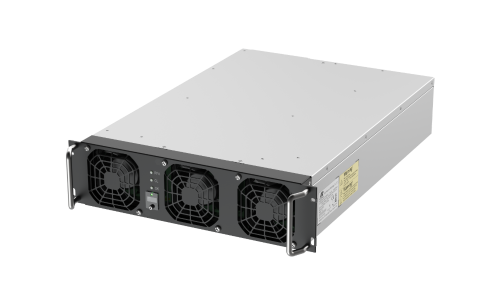
When it comes to high-power EV Charging Modules, managing heat is one of the biggest challenges. Traditional air-cooled systems often rely on fans to expel hot air, which can be inefficient and generate significant noise. On the other hand, liquid cooling provides a more effective solution by circulating coolant through the system, which absorbs and transfers heat away from critical components.
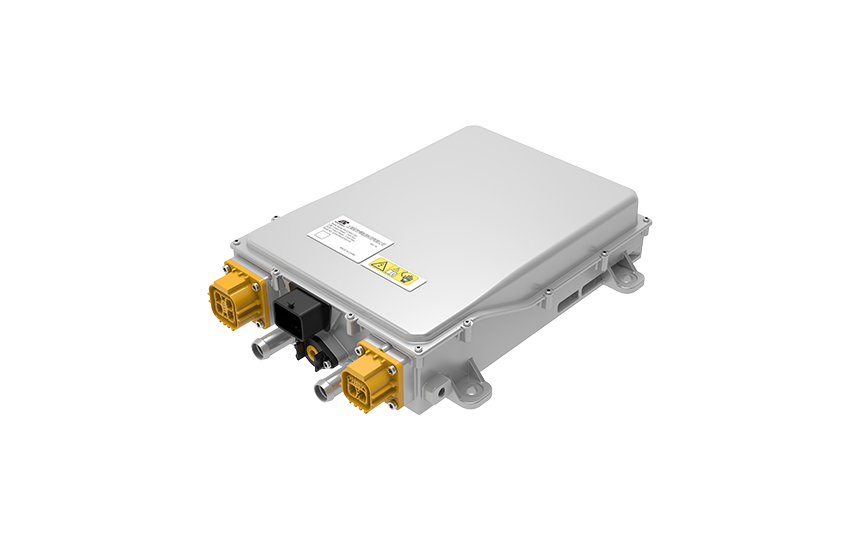
AcePower's 40kW charger modules are designed with advanced liquid cooling to ensure that even under heavy load, the system remains within optimal temperature ranges. With a cooling process that’s more efficient, liquid cooling not only helps prevent overheating but also significantly increases the EV charger module's operational longevity. Moreover, the 40kW charger module’s full glue filling protection ensures that internal components remain safe from dust, moisture, and air exposure, which further improves the system’s reliability.
Traditional Air-Cooled Systems: Are They Still Relevant?
Air cooling systems have been a staple in the EV charger industry for years. They work by forcing air over the charger’s components, absorbing heat, and releasing it through vents. While air-cooled systems are relatively simple and cost-effective, they face challenges in high-power environments, especially in extreme temperatures. The 40kW EV charger module from AcePower addresses these limitations by featuring an ultra-wide temperature range from -40°C to +75°C, making it adaptable to various climates.
At higher temperatures, traditional systems often struggle to maintain consistent performance, causing derating or loss of output power. Our company 40kW charger module, however, supports linear derating from 55°C to 75°C down to 20kW, ensuring that power output remains stable even in extreme conditions. This makes liquid cooling a more reliable option, especially for large-scale EV charging infrastructure and stations in hot or variable climates.
Enhancing User Experience with Low Noise and High Efficiency
One significant drawback of traditional air-cooled systems is the noise they produce. Fans and vents can create unwanted sound, which is especially noticeable in residential or urban charging stations. The 40kW charger module from AcePower, designed with low-noise technology, ensures that the charging process is much quieter. Operating at just 58dB under full load, it offers noise levels similar to a quiet residential fan, making it an excellent choice for noise-sensitive environments.
Furthermore, the 40kW EV charger module is built with advanced silicon carbide (SiC) technology, which boosts energy conversion efficiency. With up to 97.5% efficiency at full load, this EV Charging Module maximizes energy use, reducing waste and increasing the overall cost-effectiveness of EV charging stations.
AcePower: Liquid Cooling – The Future of High-Power EV Charging Modules
As the demand for efficient, reliable, and sustainable charging solutions grows, liquid-cooled systems like AcePower’s 40kW charger module offer a compelling case for the future of EV charging. With superior heat management, low noise output, and enhanced efficiency, liquid cooling provides clear benefits over traditional air-cooled systems. While air-cooled systems still have their place in certain applications, the advantages of liquid-cooled EV Charging Modules cannot be ignored. For large-scale or high-power charging stations, switching to liquid cooling could be the key to improving performance, reducing maintenance costs, and enhancing user satisfaction.
推荐新闻
Choosing the Right On-Board Charger Supplier: Key Factors to Consider
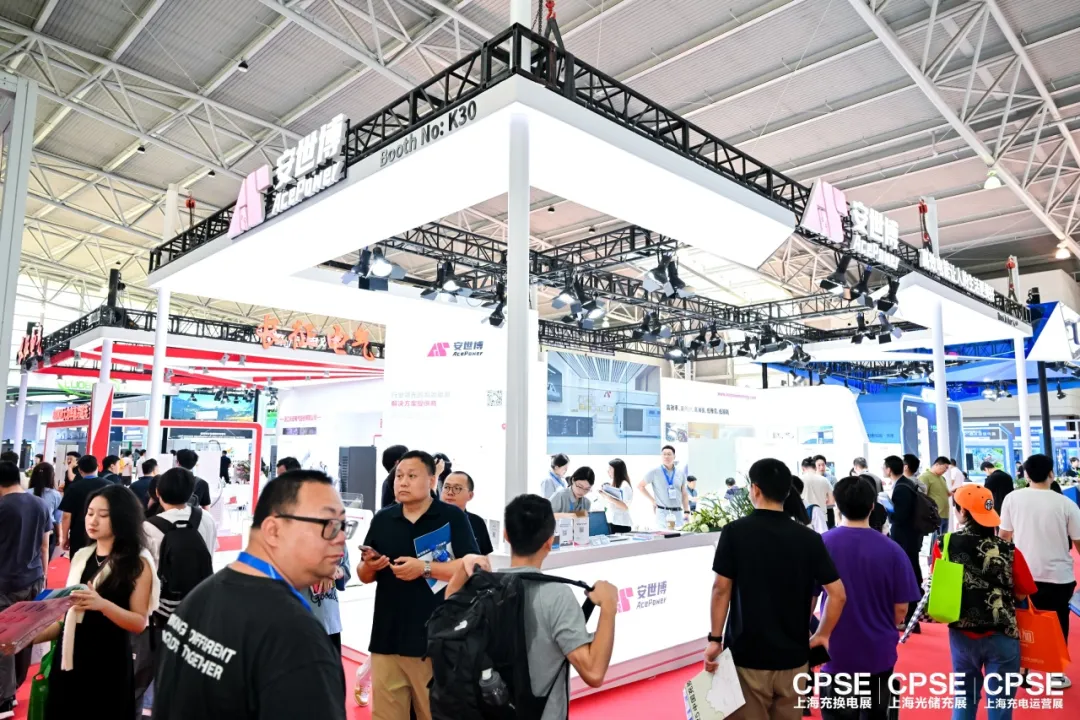
AcePower Showcases Megawatt Ultra-Fast Charging Solutions and Module Products at the 2025 Shanghai International Charging and Battery Swap Exhibition
Powering the Future: How Megawatt Power Systems Are Shaping Sustainable Data Centers
Why the 30kW EV Charger Module is Essential for Modular DC Fast Charging Solutions

Great News! AcePower Selected as a Pudong New Area Corporate R&D Institution

Contact AcePower Now
Please leave your information and we will be happy to assist you.