





What are the Different Types of Onboard Chargers (OBC)?


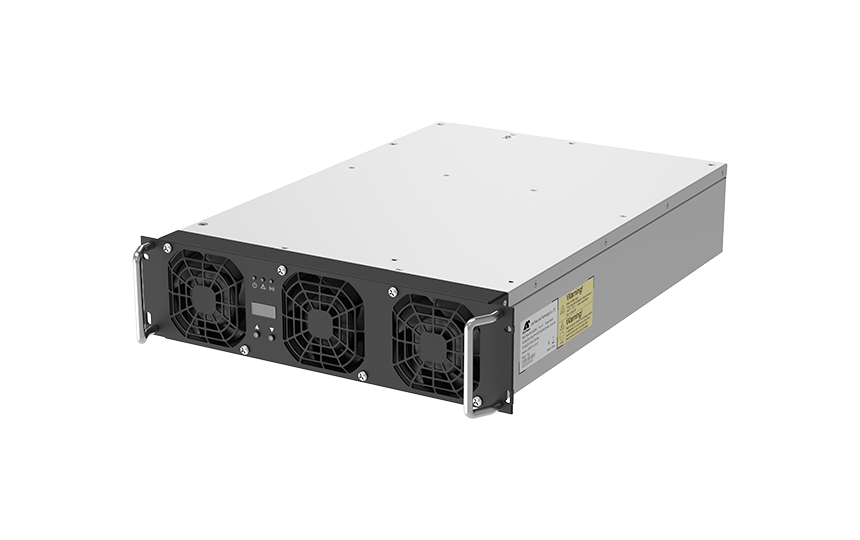
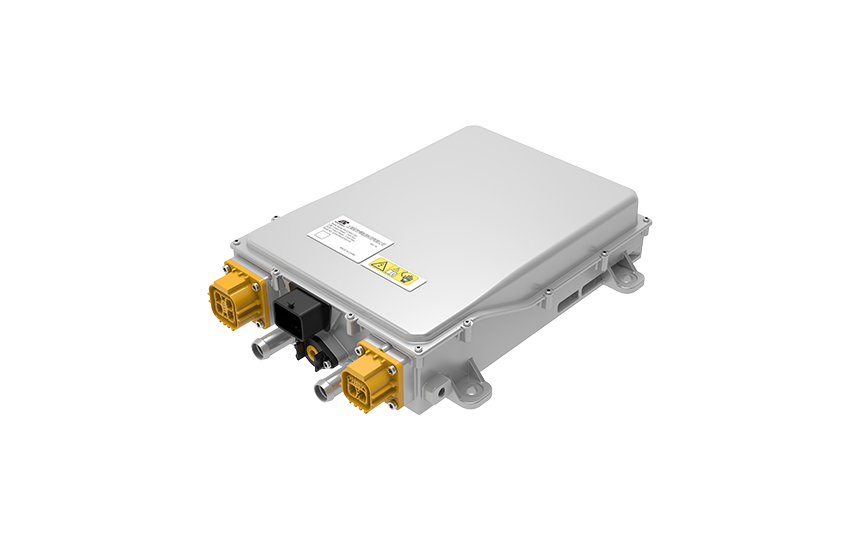
When discussing electric vehicles, one of the most important components that often shapes the driving and charging experience is the on board charger. At AcePower, we dedicate much of our expertise to designing and refining these systems because they form the bridge between external charging infrastructure and the vehicle’s battery. As the demand for electrification grows, we believe it is essential to provide clarity on the different types of onboard charging solutions available today.
Basic Classification of Onboard Chargers
The most straightforward way to classify an on board charger EV is by charging level. In general, onboard chargers are designed for either AC Level 1 or AC Level 2 charging. Level 1 chargers typically work with a standard household outlet, making them suitable for slow overnight charging. Level 2 chargers, however, connect to higher voltage AC sources and provide significantly faster energy transfer. At AcePower, we recognize that the choice between these types depends heavily on how vehicles are used and the expectations for turnaround time.
Single-Phase vs. Three-Phase Chargers
Another crucial distinction to consider among on board charger systems is the notable difference between single-phase and three-phase design architectures. Single-phase chargers are predominantly found in residential settings, where the electricity supply is constrained to typical household standards. These chargers are known for their cost-effectiveness and compact size, making them a practical choice for homeowners. However, due to their limited power capacity, they often necessitate extended charging durations, which can be a drawback for users seeking rapid recharging. On the other hand, three-phase chargers are typically deployed in environments where there is robust grid support, such as industrial zones or commercial establishments. These chargers facilitate faster and more efficient energy transfer, significantly reducing charging times. This capability is particularly invaluable in the context of commercial fleets or in regions where the demand for quick charging cycles is paramount to maintain operational efficiency.
Smart and Bidirectional Onboard Chargers
The evolution of on board charger EV technology is not only about speed but also about intelligence. Smart onboard chargers integrate advanced communication protocols, enabling interaction between the vehicle and the charging station. This functionality supports features such as load management, time-of-use charging, and remote monitoring. Another emerging trend is bidirectional onboard chargers, sometimes referred to as vehicle-to-grid (V2G) systems. These chargers not only draw energy into the battery but can also return stored energy back to the grid when needed. At AcePower, we view these advancements as a significant step toward more flexible and sustainable energy ecosystems.
Innovative On-Board EV Charger Solutions
Understanding the different types of on board charger technology helps vehicle manufacturers and infrastructure providers select the right solutions for their projects. Whether it is a compact single-phase unit, a high-capacity three-phase charger, or an advanced bidirectional system, each design addresses specific operational needs. At AcePower, we continue to develop innovative on board charger EV solutions that align with global electrification goals. By offering efficient, reliable, and adaptable products, we support our partners in creating the charging experiences required for the next generation of mobility.
推荐新闻
Effective Cost Reduction Strategies for CPOs Through Advanced Charging Module Solutions

Enhancing Energy Flow with the 6.6kW On-Board Charger: Bidirectional Charging for Modern Applications
How to Choose the Right EV Charger Module Manufacturer for High-Power DC Fast Charging Solutions
Dragon Boat Festival | Full Efficiency, Smooth Travel

How the 6.6 kW On-Board Charger Powers the Future of Electric Vehicles

Contact AcePower Now
Please leave your information and we will be happy to assist you.