






Effective Thermal Control in High-Power EV Charging Units


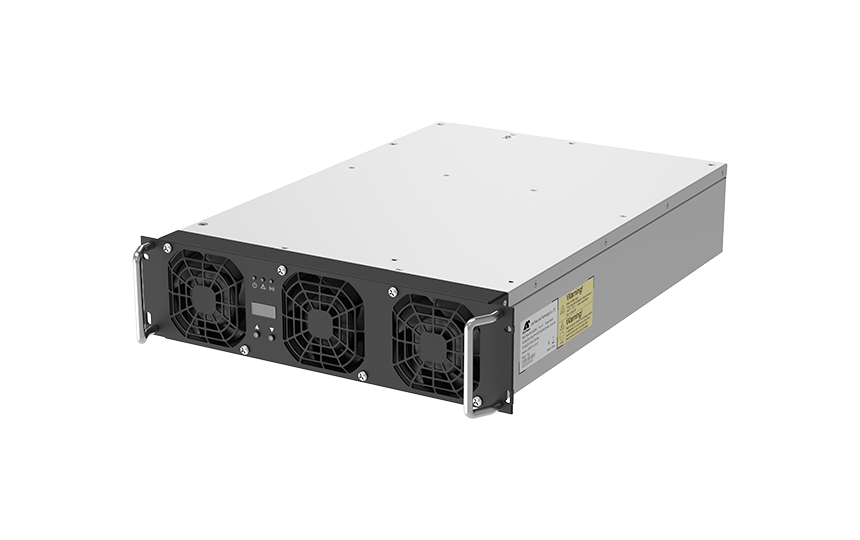
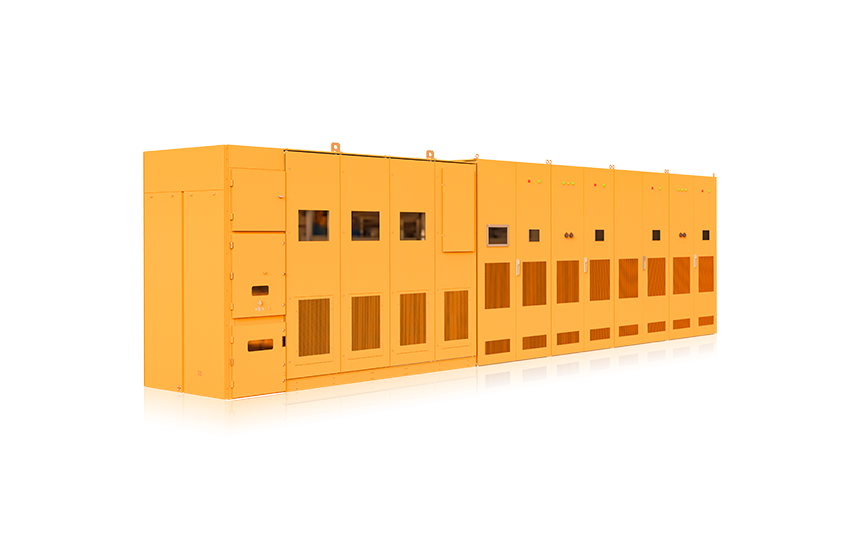
Managing heat is a primary focus for our engineering teams at AcePower. For electric vehicle charging systems operating between 350kW and 600kW, thermal regulation becomes the decisive factor for safety, reliability, and longevity. This discussion outlines the methodologies employed by proficient China EV charger module manufacturers to address this substantial technical challenge.
Implementing Direct Liquid Cooling Circuits
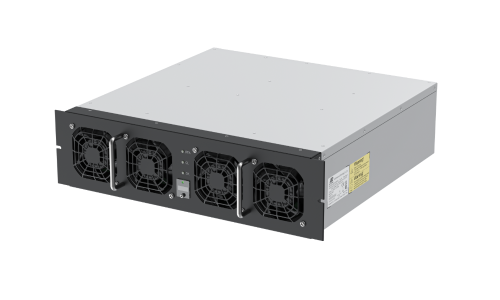
A primary technique involves advanced liquid cooling systems integrated directly into the power components. Unlike simple external fans, these closed-loop circuits circulate a coolant through channels embedded within the semiconductor plates. This design proximity allows for immediate absorption of thermal energy from silicon carbide (SiC) MOSFETs and diode assemblies at the moment of generation. The approach maintains consistent operating temperatures within a strict window, preventing performance throttling during sustained high-current delivery. This direct cooling method is a cornerstone of modern high-capacity China EV charging module design, ensuring energy transfer remains efficient.
Utilizing Advanced Composite Materials
The physical construction of the unit itself contributes significantly to heat dispersion. Producers select specialized composites with high thermal conductivity for critical substrates and housings. These materials actively pull warmth away from delicate internal electronics toward designated cooling areas, such as heatsinks or cold plates. This spatial management of thermal load protects sensitive control circuitry from elevated ambient conditions. By optimizing the entire structure of the China EV charger module as a heat dissipation entity, stability under extreme electrical flow is achieved.
Employing Dynamic Power Regulation
Intelligent software governance is equally vital. Real-time monitoring sensors track temperature fluctuations across multiple points within the cabinet. An embedded control system uses this continuous data stream to make instantaneous adjustments. If sensors detect a potential hotspot, the logic can momentarily fine-tune the output current or optimize the coolant pump speed, preempting a thermal event. This proactive management ensures the China EV charging module operates within its ideal thermal envelope, balancing maximum output with component preservation.
For companies like AcePower, there is no room for negotiation when it comes to achieving proficiency in thermal dynamics in order to move forward with fast electric vehicle (EV) recharging. Producers are now able to develop strong systems that are capable of handling the power tier that ranges from 350kW to 600kW thanks to the combination of direct liquid cooling, smart material science, and responsive digital control. The next phase of electric mobility will be supported by the long-lasting, high-performing infrastructure that is made possible by this integrated engineering philosophy.
推荐新闻
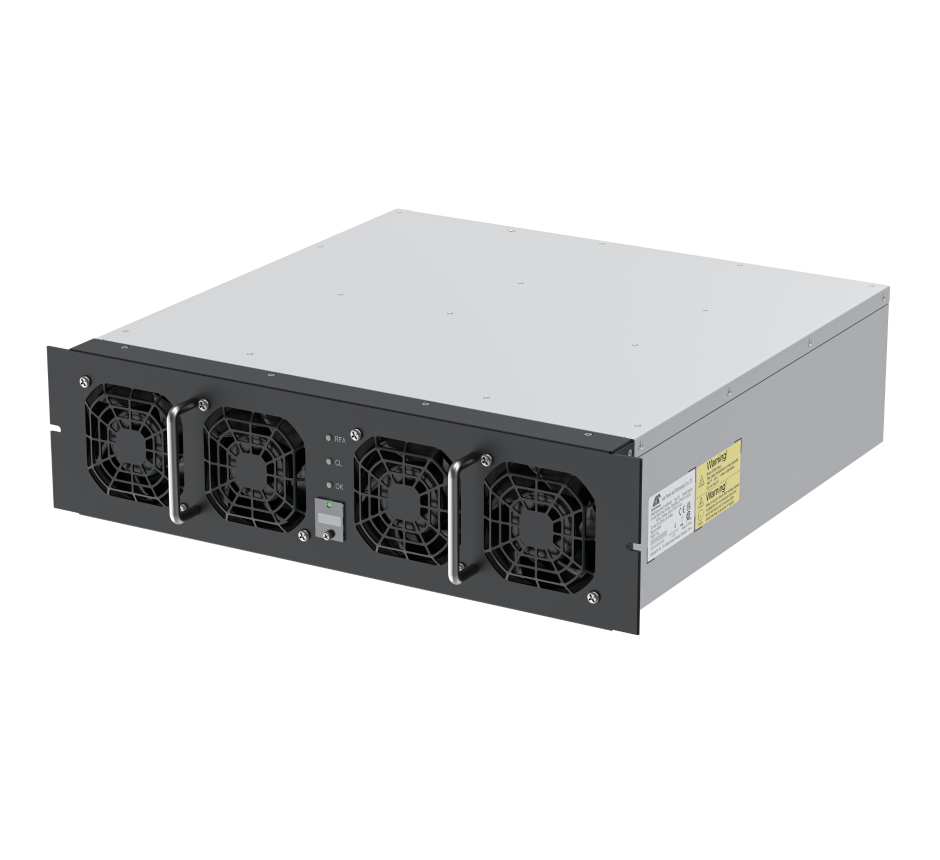
Evaluating Thermal Management Paths for 30kW EV Charger Modules
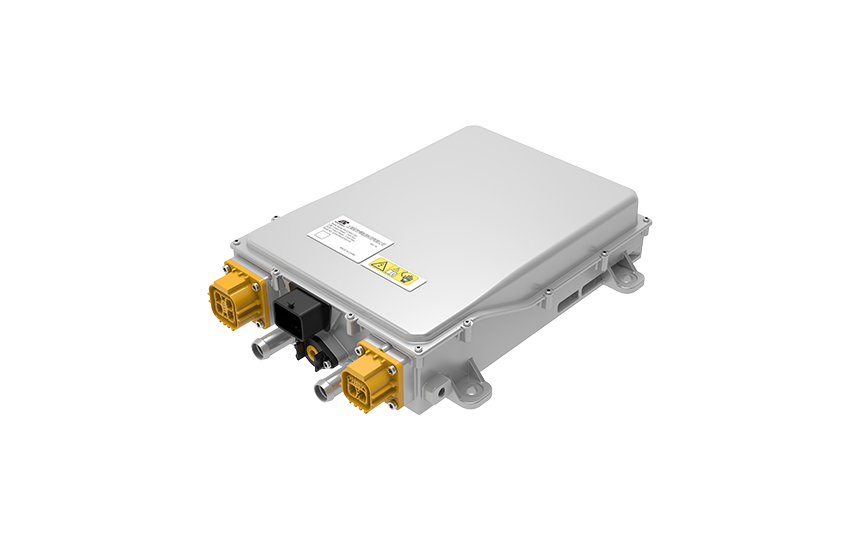
How On-Board Charger Manufacturers Optimize Design for 800V High-Voltage EV Platforms
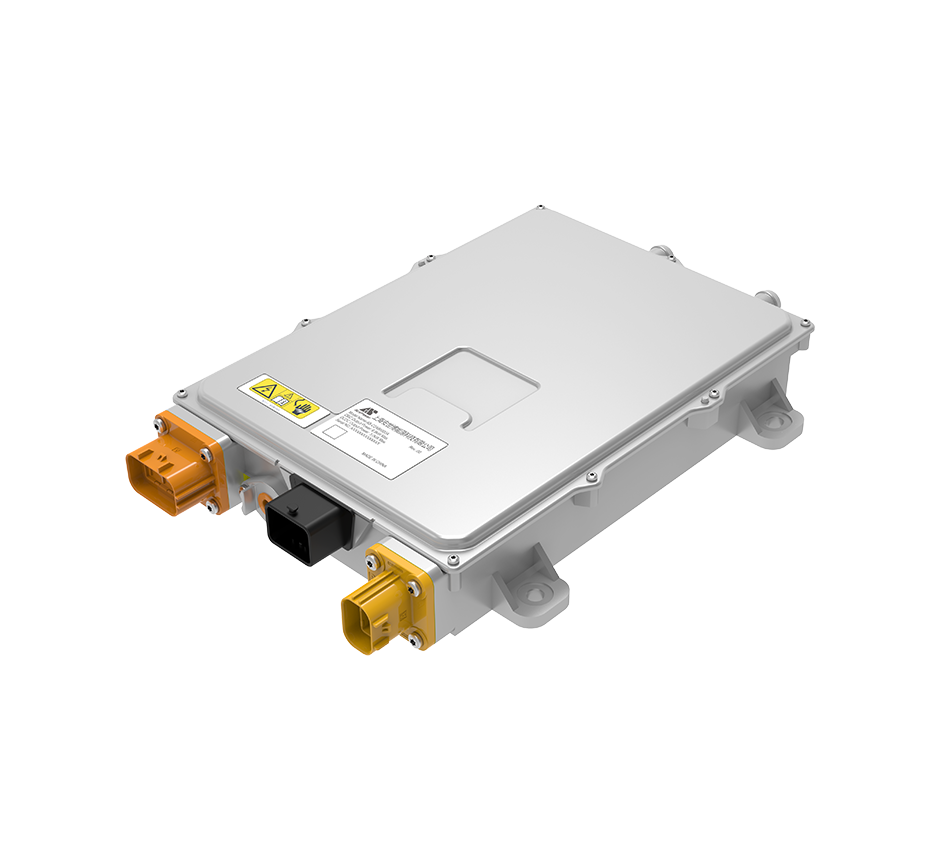
Choosing the Right On-Board Charger Supplier: Key Factors to Consider
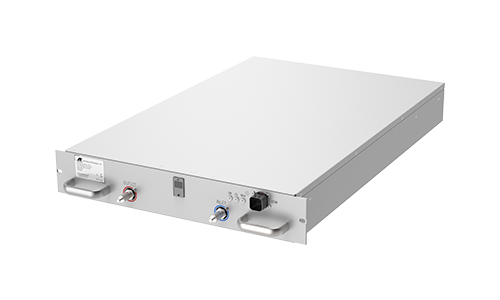
How Liquid-Cooled Charging Modules Enhance the Efficiency of Electric Vehicle Charging

The Key Benefits of Liquid Cooling for the 11kW On-Board Charger by AcePower

Contact AcePower Now
Please leave your information and we will be happy to assist you.