






Advancing Electric Vehicle Systems with High-Voltage Charging Components


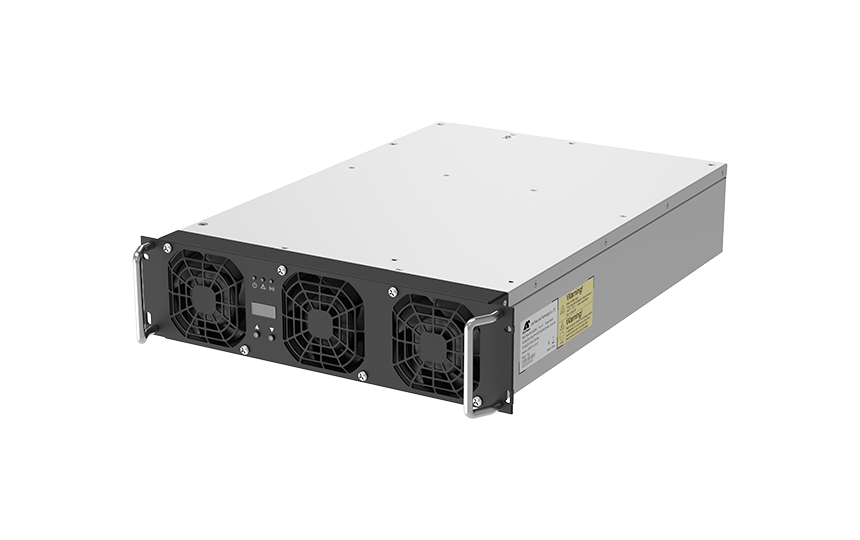
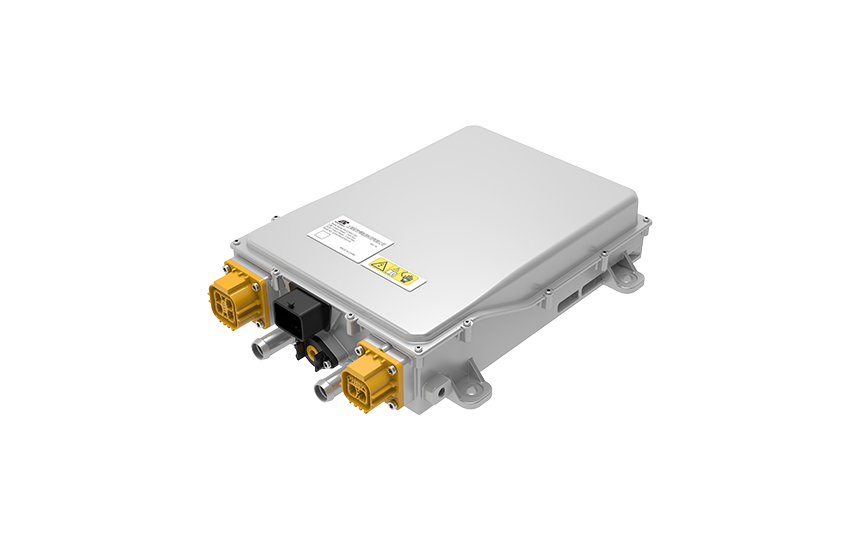
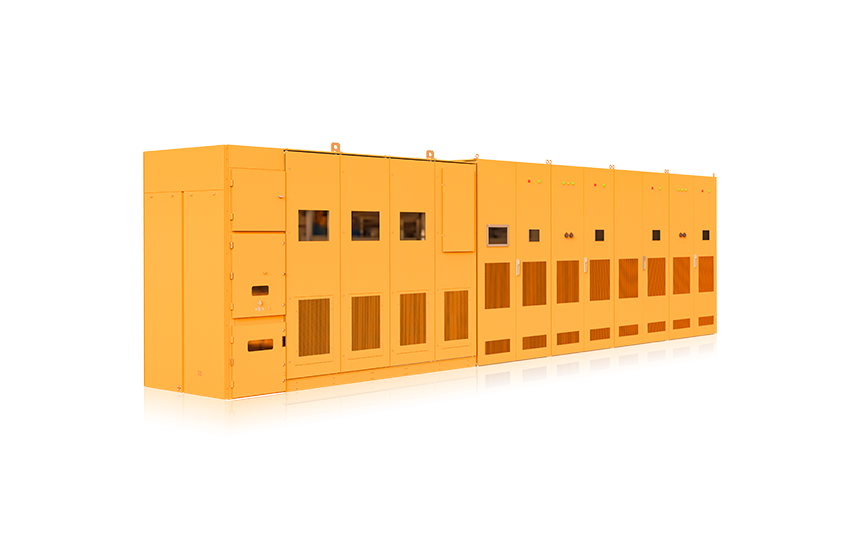
The focus of advancement in electric vehicle architecture is on systems with higher voltages. We acknowledge at AcePower that the 800V and 1000V platforms are not only passing fads but rather fundamental changes that necessitate a fresh generation of charging hardware. It is of the utmost importance to procure a strong China EV charging module that has been specifically engineered to accommodate these enhanced specifications.
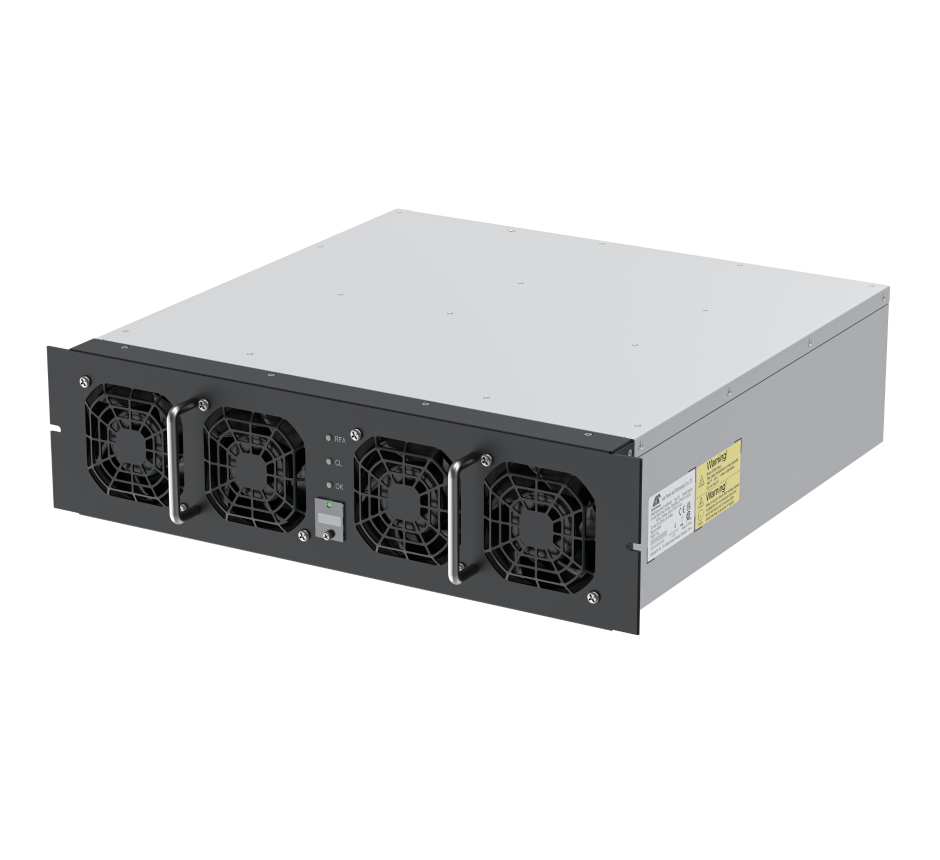
Selecting Components for Elevated Electrical Stress
The internal power electronics are where the primary distinction can be found. Semiconductors that have been rated for substantially higher voltage blocking capabilities are used in units that have been built for 1000V platforms. This guarantees that the operation will remain stable in the event that the systems in question encounter voltage spikes that are characteristic of their functioning. If you decide to purchase a China EV charger module that has components with inadequate specifications, you run the danger of immediate failure as well as compromised safety. We concentrate our efforts on procuring and manufacturing components in which each and every transistor, capacitor, and magnetic element is chosen to withstand an environment of 1000V or more, so ensuring that they are inherently resilient.
Ensuring Robust Isolation and Insulation Integrity
Increased voltage necessitates greater attention to isolation distances and dielectric strength. Superior modules incorporate enhanced internal spacing (creepage and clearance) and use insulating materials with higher comparative tracking index (CTI) ratings. This design philosophy prevents arc-over and leakage currents, which are more probable at 1000V levels. For any operator, verifying that a China EV charging module meets stringent international standards for high-voltage isolation is an essential step. This built-in protection safeguards both the equipment and the connected electric vehicle.
Maintaining Communication and Control Compatibility
A seamless handshake between the vehicle, the station, and the internal power units remains vital. High-voltage electric vehicles communicate specific voltage and current requirements to the charging point. The embedded controller within a modern China EV charger module must accurately interpret these signals and regulate output with precision. This intelligent coordination ensures the 800V or 1000V battery pack receives the correct charge profile without error, enabling efficient energy transfer.
The move to 800V and 1000V vehicle architectures defines a new performance threshold. For AcePower, providing compatible charging solutions means prioritizing modules where component selection, insulation design, and communication fidelity are engineered for these specific high-voltage demands. This focused approach allows infrastructure to support the latest electric vehicles, facilitating faster charging cycles and supporting the broader adoption of advanced electric mobility.
推荐新闻
How China’s EV Charger Modules Meet Global CPO Needs with AcePower Solutions
Why the 30kW EV Charger Module is Essential for Modular DC Fast Charging Solutions
Optimizing Battery Management with EV Charger Modules: A Key to Efficient Charging

The Key Benefits of Liquid Cooling for the 11kW On-Board Charger by AcePower
Understanding the Advantages of 11kw On-Board Chargers in Modern Electric Vehicles

Contact AcePower Now
Please leave your information and we will be happy to assist you.