





Sustaining Electric Fleet Operations with Battery Exchange Technology


Availability of electric commercial vehicles remains essential for business logistics. Downtime spent at charging points directly affects operational schedules and economic viability. At AcePower, we view battery swap technology as a method to address these constraints, enhancing energy access while keeping vehicles moving. This approach utilizes centralized megawatt power solutions to support continuous transport activities.
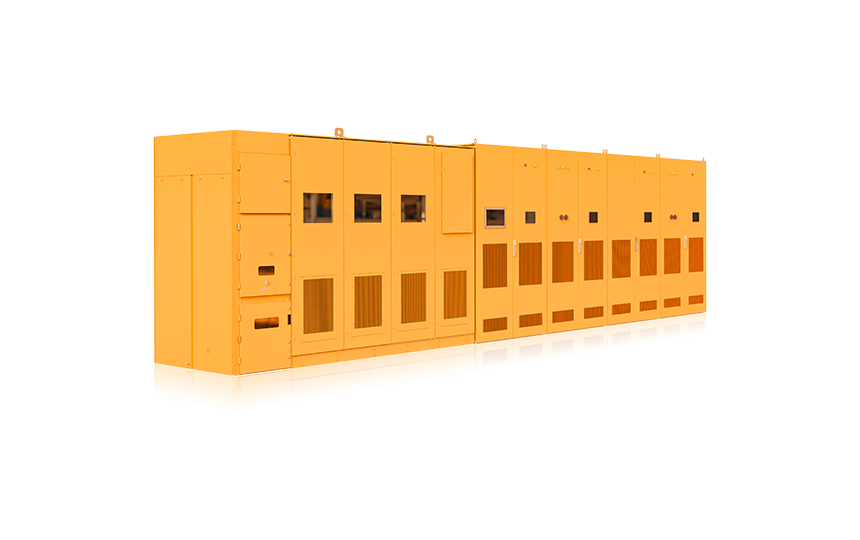
Exchanging Energy Storage Units in Minutes
The procedure replaces a depleted battery with a fully charged unit quickly. A vehicle enters a station, and automated machinery removes the spent energy pack, installing a fresh one. This entire swap completes in a period much shorter than conventional cable-based recharging. For operations running numerous trucks or buses, this rapid exchange minimizes immobilization intervals. Implementing such a station, a sophisticated megawatt power system, allows a fleet to maintain near-constant roadway presence.
Centralizing Charging Processes Off-Vehicle
After the batteries have been removed, they are charged in a separate location that is part of the secure facility on the station. Because of this decoupling, the charging process can proceed at an ideal rate, which is controlled by the electrical infrastructure that is robust and owned by the station itself. The consolidation of several packs in a single site facilitates the employment of high-capacity megawatt power solutions that are intended to be efficient and to maintain the stability of the grid. Additionally, this configuration makes it possible to charge at periods of favorable electricity rates or when renewable output is at its highest, thereby enhancing the total energy economics for the operator.
Performing Maintenance and Diagnostics Centrally
Each energy pack can be subjected to a comprehensive evaluation while it is during its charging cycle with the assistance of station-based systems. The sensors are responsible for keeping an eye on the thermal performance, the consistency of the voltage, and the health of the cells. Before a unit is redeployed, problems can be recognized, which prevents malfunctions in vehicles. This proactive care, which is backed by the station's power system management knowledge and measured in megawatts, contributes to an increase in the overall reliability of assets. When they shift from reactive maintenance to scheduled service, fleet managers gain predictability.
The establishment of a network of stations where people may exchange their depleted batteries for fully charged ones provides an alternative framework for the commercialization of electric transportation. It places an emphasis on the uninterrupted running of the vehicle by keeping the charging process separate from the vehicle itself. In order to make this approach both functional and scalable, AcePower creates power solutions that amount to many megawatts. This approach provides assistance to fleets that need to achieve the highest possible utilization, providing a strategy for minimizing stoppage time and ensuring that energy will be available.
推荐新闻

China’s Evolving EV Charging Modules and the Role of AcePower in SiC-Based Innovations

Enhancing Data Center Performance: The Role of Energy Efficiency and Cooling in Megawatt Power Systems
The Versatile Role of 7kW Charger Modules in Daily Life
Integrating Charger Stages for Compact Vehicle Systems

Unlocking High-Efficiency Charging with AcePower's 6.6 kW On-Board Charger

Contact AcePower Now
Please leave your information and we will be happy to assist you.