








Integrating Charger Stages for Compact Vehicle Systems


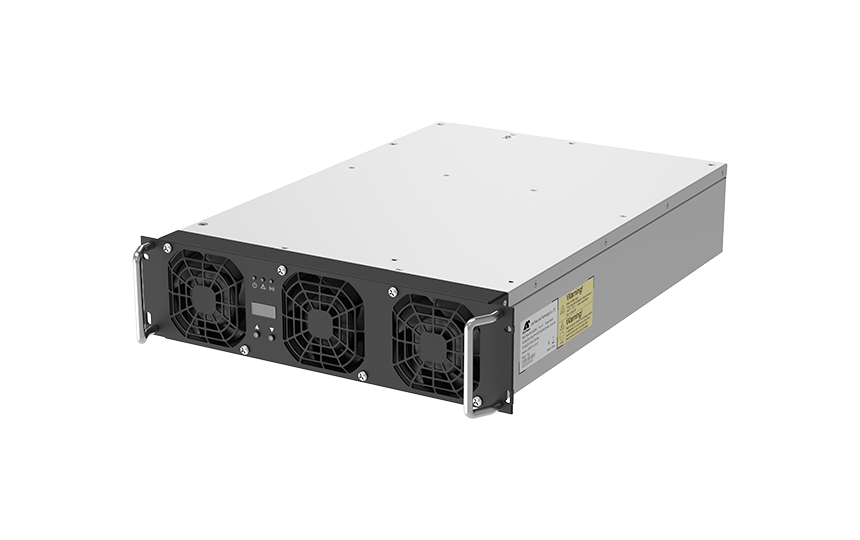
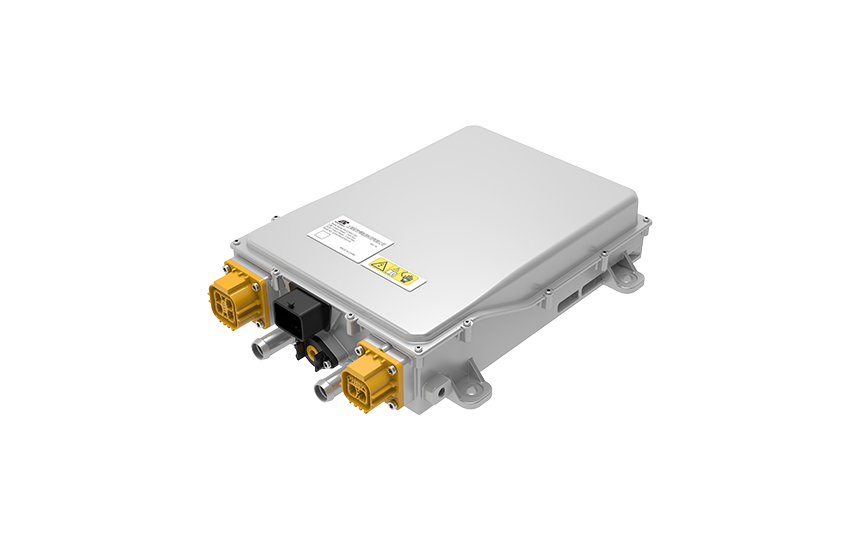
It is necessary to utilize thorough engineering synthesis in order to design automobile charging systems that are smaller yet more capable. We take care of this at AcePower by combining the Power Factor Correction (PFC) and DC/DC conversion stages into a single, unified architecture. The integration of this technology is necessary in order to achieve greater power density in modern on-board chargers, which will allow for more energy transfer within the limited space of a vehicle.

Combining Magnetic Elements into Single Cores
A primary method involves merging inductive and transformative components. Instead of separate PFC inductors and DC/DC transformers, suppliers can design multi-winding magnetic assemblies on shared core structures. This consolidated part performs both voltage boosting and isolation functions. The outcome for an on-board charger manufacturer is a notable reduction in the magnetic footprint and associated weight. This unified component strategy directly enhances the overall power density of the final unit.
Applying Wide Bandgap Semiconductor Devices
The choice of switching technologies is just as important. The operation of these integrated stages at elevated frequencies is made possible by the use of either Gallium Nitride (GaN) or Silicon Carbide (SiC) transistors. It is possible for passive components, such as capacitors, and the integrated magnetic assembly to be physically smaller if they have higher switching speeds. For our development teams, including these sophisticated semiconductor devices is a crucial step toward the development of a small, highly efficient on-board charger. Because of the intrinsic qualities of these materials, it is possible to achieve a more tightly packed power stage configuration.
Implementing Shared Cooling and Control Platforms
Additional space reductions are achieved through the use of consolidated support systems. A single cold plate is an example of an integrated thermal solution that is capable of controlling the amount of heat that is emitted by both the power factor correction (PFC) and DC/DC circuits. In a similar fashion, the operation of both phases of conversion is frequently synchronized by a single microprocessor. Duplicate components are eliminated by this shared infrastructure. It embodies a systematic approach that would be useful for a producer of on-board chargers who is attempting to maximize the utilization of every available cubic centimeter of volume.
Creating capable charging systems for contemporary electric vehicles hinges on seamless stage integration. Our work at AcePower focuses on synthesizing magnetic components, deploying advanced semiconductors, and unifying thermal management. These techniques allow us to supply on-board chargers that meet rising power expectations while respecting the strict spatial constraints of vehicle integration, supporting efficient and practical electric mobility.
推荐新闻

The Key Benefits of Liquid Cooling for the 11kW On-Board Charger by AcePower
From Kilowatts to Megawatts: The Role of High-Power Charging Modules in the Evolution of EV Charging
Why On-Board Chargers Are Essential for Electric Vehicles

The 6.6kW OBC: Why It's Becoming the Standard for Compact, Bidirectional, and Cost-Effective EVs
Maximizing Convenience with the AcePower 11kW On-Board Charger for Home and Workplace

Contact AcePower Now
Please leave your information and we will be happy to assist you.