






Power and Heat: Core Factors in 7kW Charging Module Development


In order to successfully develop a dependable charging component, it is necessary to pay close attention to two interconnected engineering challenges: the efficiency of the energy conversion process and the management of heat. The development of a 7kw EV charger module that is now being done by AcePower is centered on the crucial connection between the two. A reliable 7kw DC charger module must function within a compact enclosure, making its thermal design as important as its electrical efficiency. We investigate how the aforementioned factors determine the quality and longevity of the finished product.
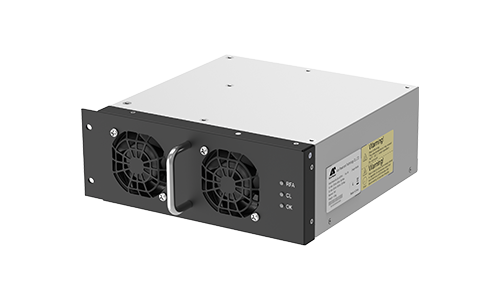
Energy Loss and Conversion Performance
The primary goal for any 7kw EV charger module is achieving high operational efficiency. This metric reflects the percentage of AC input power successfully delivered as DC output to the vehicle's battery. Losses occur as waste heat during semiconductor switching and within magnetic components. Therefore, a proficient 7kw dc charger module utilizes quality materials and optimized circuit layouts to minimize these inherent losses. Superior efficiency means more energy reaches the battery, reducing operational expense for the station owner and easing the thermal burden on the module itself, as less wasted power becomes heat that must be removed.
Component Selection and Layout for Heat Mitigation
Effective thermal management begins with intelligent architecture. The arrangement of power semiconductors, magnetics, and capacitors within a 7kw EV charger module influences heat distribution. We position components that generate significant warmth, like MOSFETs or transformers, to avoid creating localized hot spots. Using materials with favorable thermal conductivity for substrates and employing strategic heatsinking are standard practices. For a 7kw dc charger module, this foundational layout ensures heat can travel away from sensitive electronics efficiently, forming the first layer of temperature control before active cooling systems engage.
Active Cooling System Integration
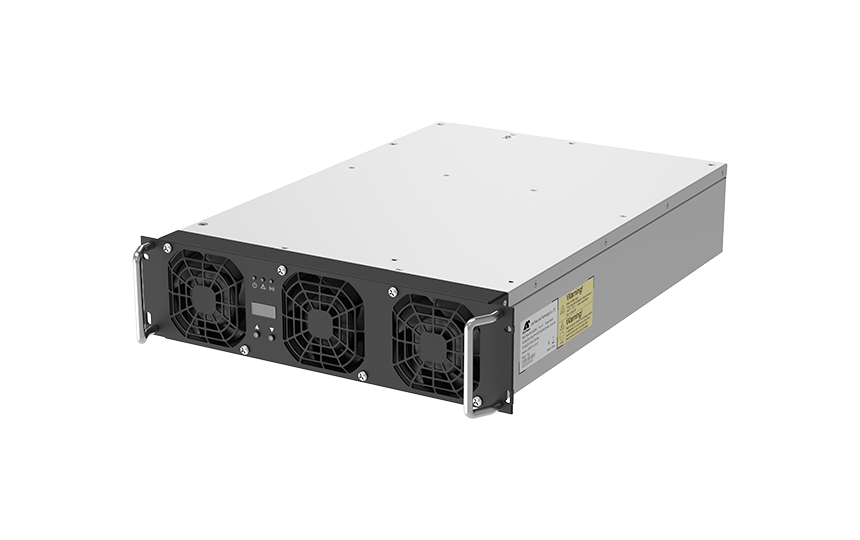
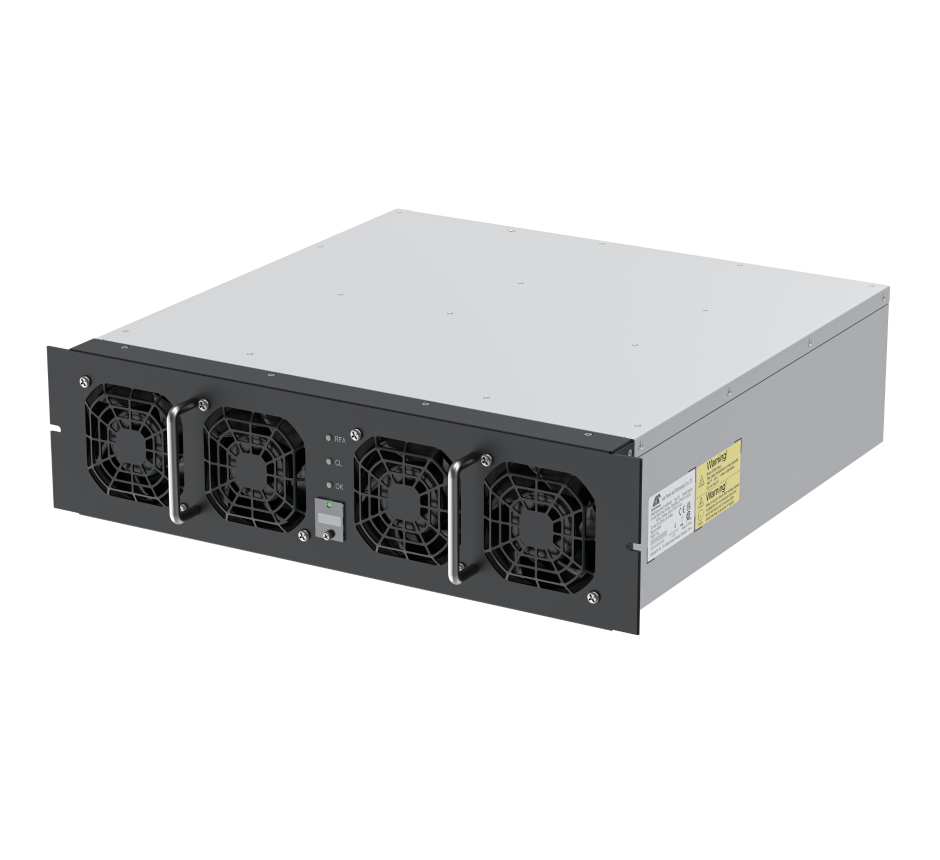
Given the constant power level, active cooling is typically necessary. A 7kw EV charger module often incorporates a fan or blower system to force air across internal heatsinks. This design demands consideration of airflow paths, dust filtration, and acoustic noise. The cooling solution must be robust enough to maintain safe operating temperatures under peak load in various ambient conditions, from a chilly garage to a sun-exposed outdoor cabinet. The reliability of this subsystem directly affects the entire 7kw dc charger module's service life, as consistent overheating accelerates component aging and can trigger protective shutdowns.
The journey of designing a capable 7kw EV charger module is a continuous effort to harmonize electrical and thermal engineering. One cannot be optimized without impacting the other. At AcePower, our approach to a 7kw dc charger module treats these elements as a single, complex puzzle. The result aims for a unit that delivers power consistently, endures through countless cycles, and provides station operators with dependable performance. This balance remains central to our development philosophy for charging hardware.
推荐新闻

The Key Benefits of Liquid Cooling for the 11kW On-Board Charger by AcePower
Thermal Management Choices for High-Power EV Charging Modules
Efficient and Reliable Charging Solutions for Fleets: The Power of the 40kW EV Charger Module
Evaluating the Innovation and Quality of EV Charger Modules at Supplier Exhibitions
From Kilowatts to Megawatts: The Role of High-Power Charging Modules in the Evolution of EV Charging

Contact AcePower Now
Please leave your information and we will be happy to assist you.