






Implementing Essential Validation Procedures for EV Charger Module Production


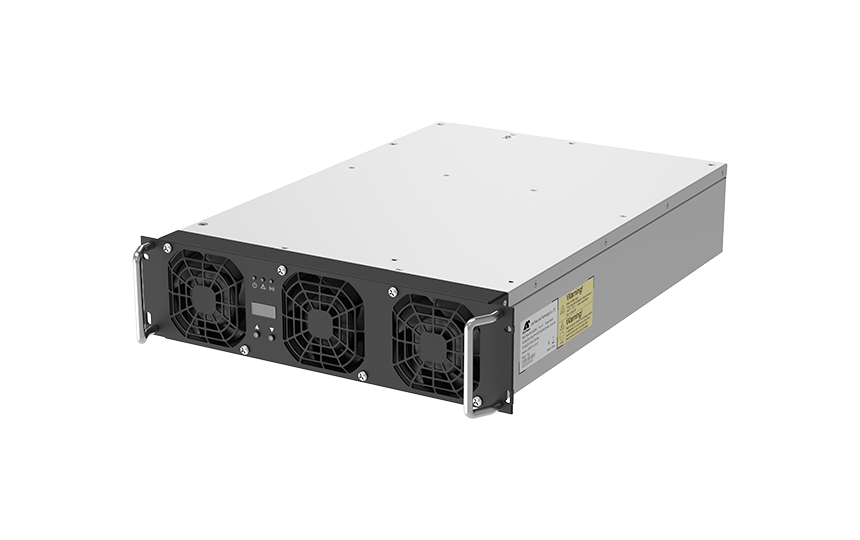
As a recognized EV charger module manufacturer, AcePower maintains that rigorous validation separates functional prototypes from reliable production units. For any EV charger module supplier, establishing a systematic test regime is non-negotiable. Three core procedures—Hi-Pot, burn-in, and full-load testing—form a foundational quality triad. These examinations verify safety, uncover early failures, and confirm operational specifications before modules leave our facility.
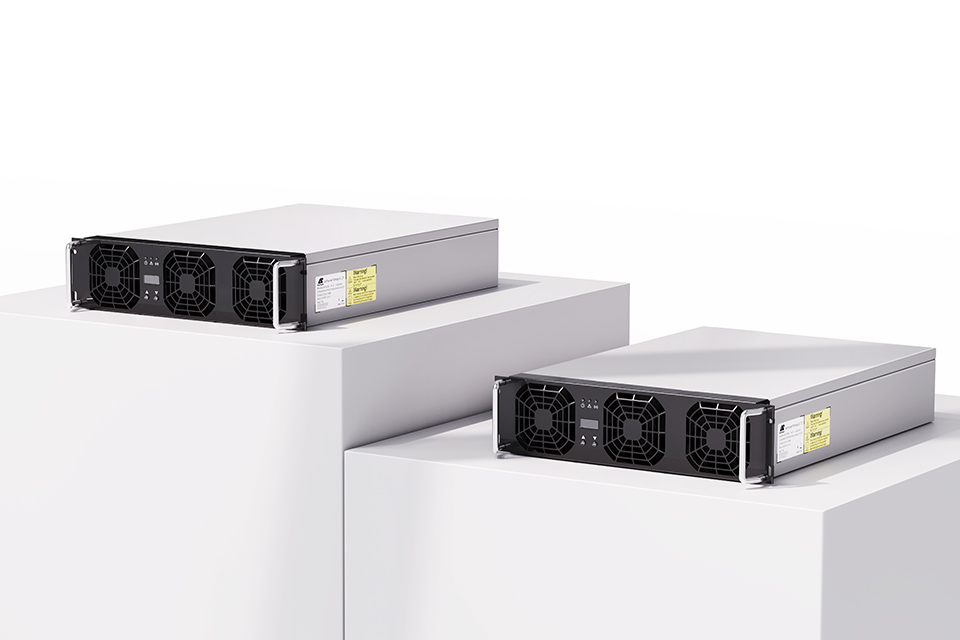
Dielectric Strength and Safety Verification: The Hi-Pot Test
A high-potential (Hi-Pot) examination is a critical safety checkpoint. This procedure applies elevated voltage between a module's current-carrying parts and its grounded chassis. The goal is ensuring robust electrical isolation and confirming no breakdown or excessive leakage current occurs. For an EV charger module manufacturer, this test validates the integrity of creepage distances, insulation materials, and overall assembly. Passing this assessment proves a unit's fundamental protection against shock hazards, a basic requirement for any EV charger module supplier committed to user safety and regulatory compliance. It is a definitive check on a module's innate defensive design.
Early Life Failure Screening: The Burn-In Process
Electronic components often follow a "bathtub curve" for failure rates, with infant mortality being a recognized risk. A controlled burn-in cycle addresses this. Modules undergo extended operation at elevated temperatures, typically within a dedicated environmental chamber. This thermal stress accelerates the aging of substandard parts, provoking latent flaws to manifest before shipment. A responsible EV charger module supplier utilizes this technique to screen out units that might otherwise fail prematurely in the field. For us as an EV charger module manufacturer, this step enhances the statistical reliability of the batch, increasing customer confidence in product longevity and reducing potential warranty claims.
Performance Benchmarking Under Stress: Full-Load Evaluation
Finally, a full-load test confirms a module meets its promised output specifications under realistic, demanding conditions. Here, the unit operates at its maximum rated power and current into a simulated load bank. Engineers measure key parameters: efficiency curves, output voltage stability, ripple characteristics, and thermal behavior. This practical assessment verifies that the design’s theoretical performance translates into actual capability. It ensures every EV charger module manufacturer delivers a product that performs as specified on its datasheet when installed in a charger. This validation is crucial for end-user satisfaction.
These three procedures represent a minimum quality framework. At AcePower, our identity as a dependable EV charger module manufacturer is built upon such mandatory validations. For a reputable EV charger module supplier, skipping these checks compromises product integrity. Hi-Pot ensures basic safety, burn-in improves field reliability, and full-load testing guarantees rated performance. Together, they form an essential protocol that supports the production of robust, trustworthy charging components.
推荐新闻
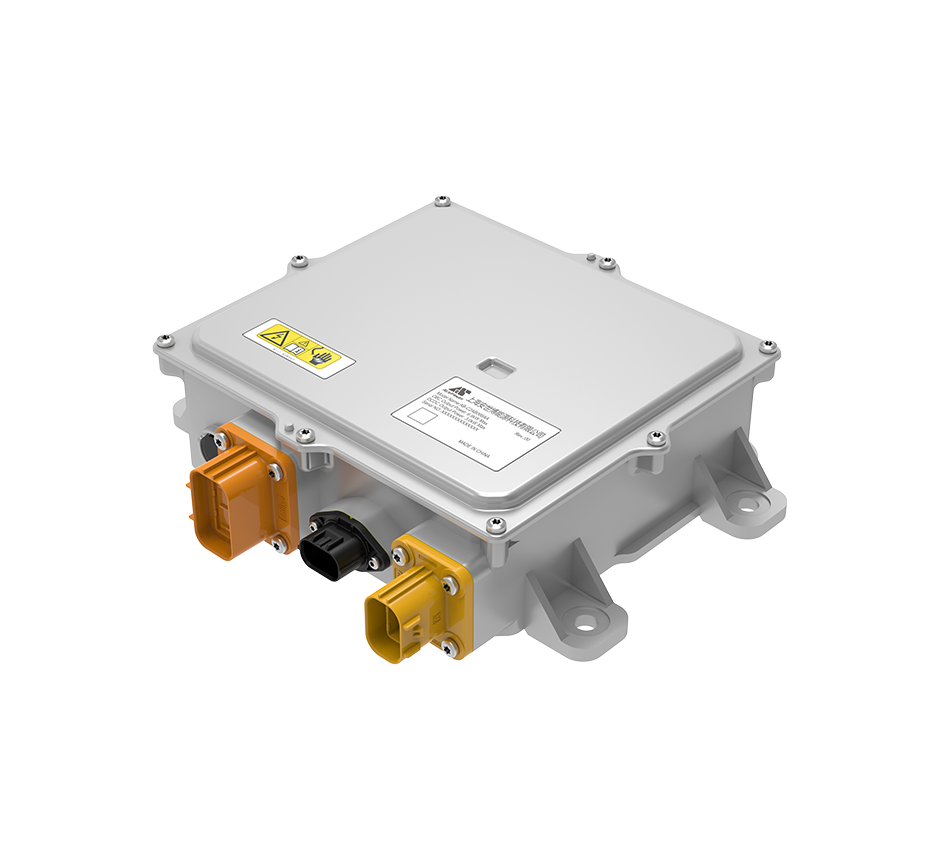
Engineering the Compromise in 6.6 Kilowatt Vehicle Chargers
Increasing Station Output with Compact 40kW Units

How Does an On-Board Charger Work? Step-by-Step Breakdown
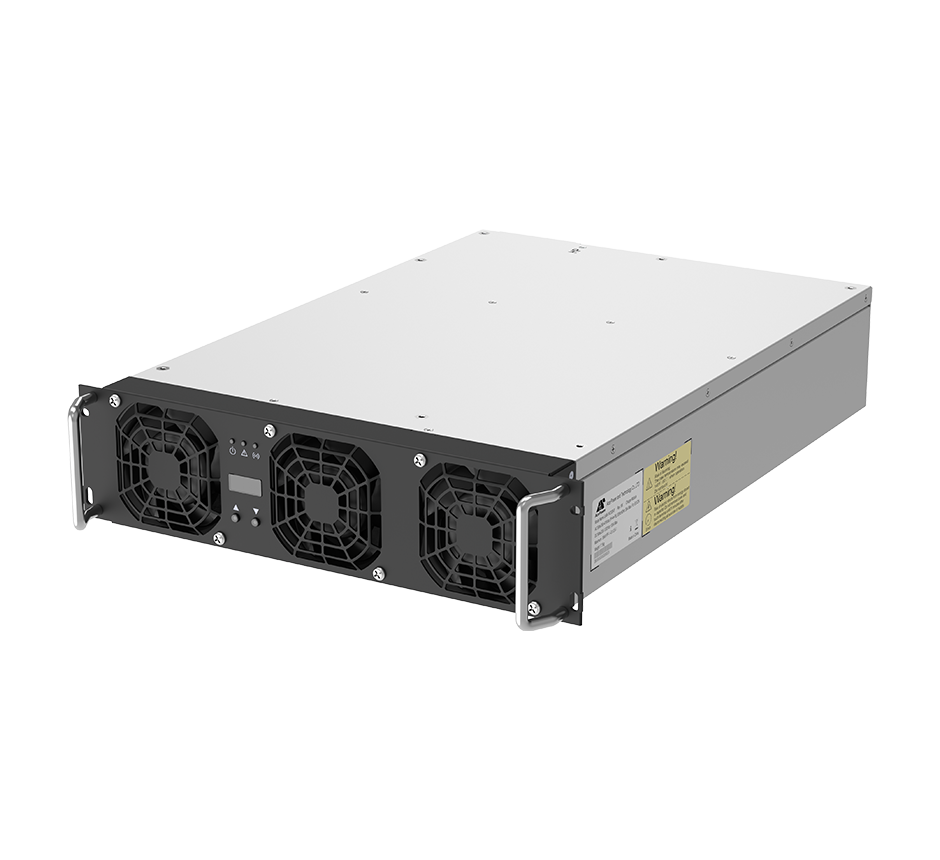
Optimizing Charging Efficiency: The Benefits of the 30kW EV Charger Module
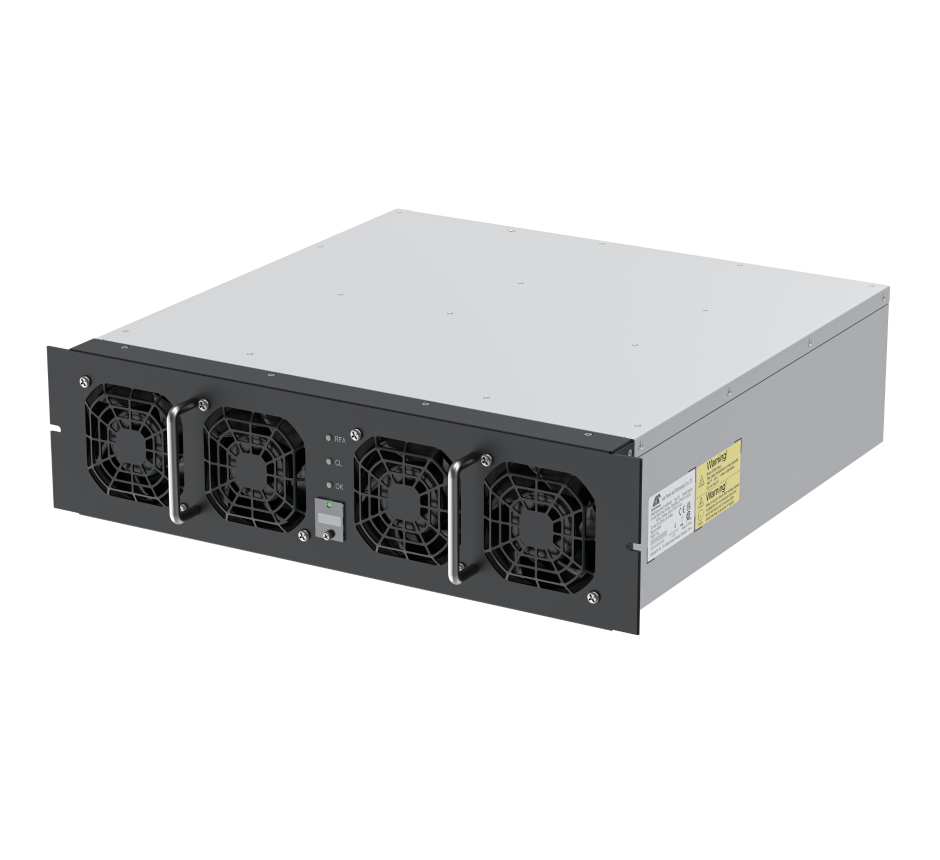
Ensuring Stability and Efficiency: The Power of Advanced Cooling in AcePower's 40kW Charger Modules

Contact AcePower Now
Please leave your information and we will be happy to assist you.