








How Modern EV Charger Modules Achieve Greater Efficiency


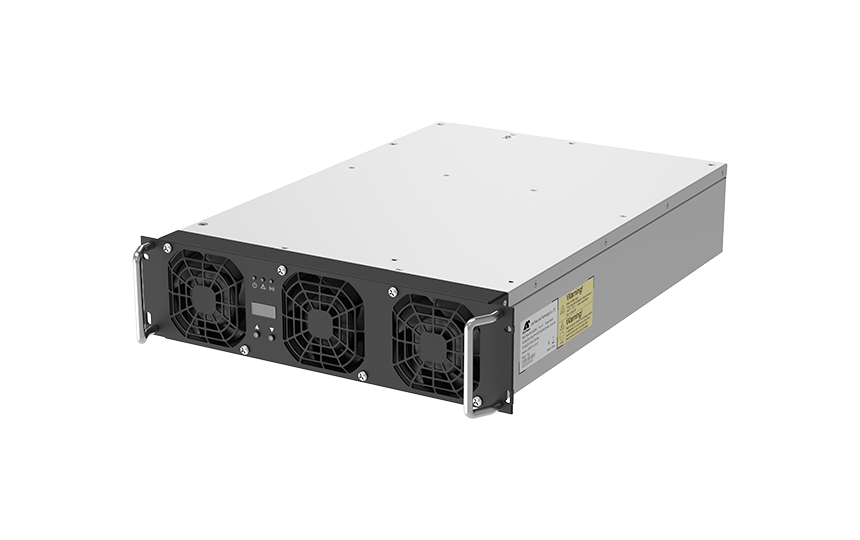
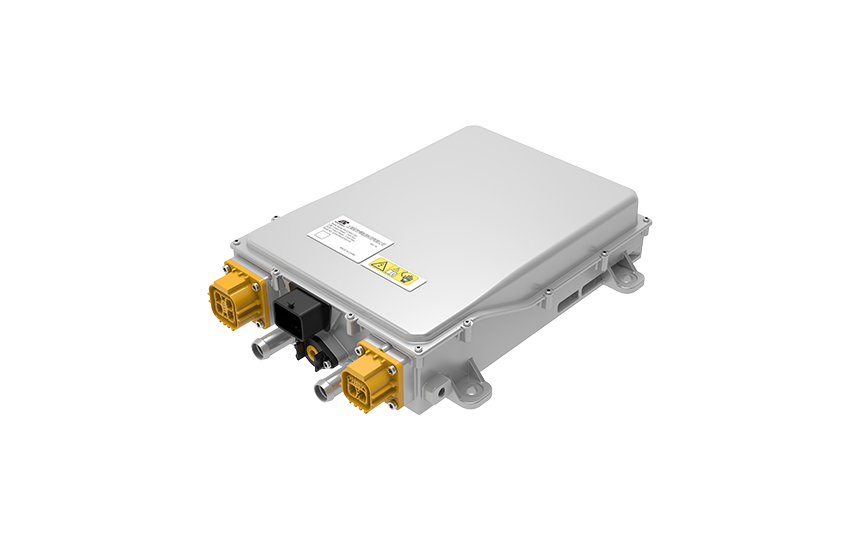
Let’s examine the technical pathways that improve performance in contemporary electric vehicle charging systems. At AcePower, our work centers on the core EV charger module, where efficiency gains are realized through advanced engineering. Every percentage point of improvement in an EV charging module contributes to faster charging times and reduced energy waste. This progress stems from three interconnected areas: innovative circuit designs, new semiconductor materials, and refined power management techniques. We see these elements as the foundation for the next generation of charging technology.
Architectural Designs for Smoother Power Flow
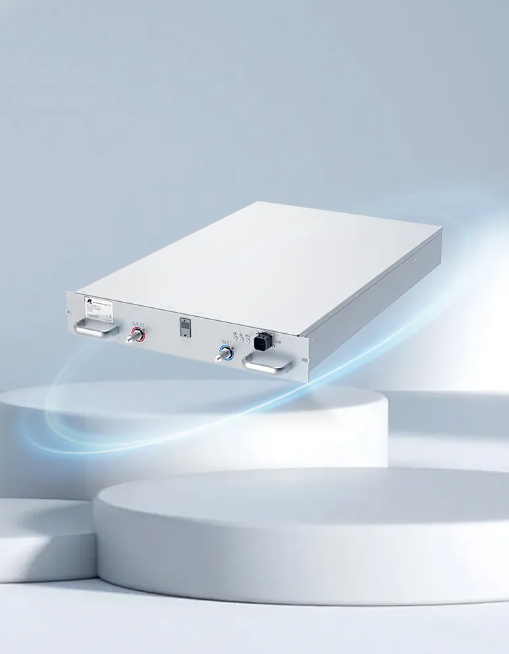
The underlying layout of a power circuit fundamentally shapes its efficiency. Modern designs for an EV charger module often employ resonant or multi-level topologies. These configurations minimize switching losses and electromagnetic interference. By shaping the voltage and current waveforms more precisely, these architectures allow components to operate under less stress. This careful management of electrical flow is a primary reason newer EV charging module units demonstrate superior performance. The goal is a seamless transfer of energy from the grid to the vehicle's battery with minimal conversion steps.
Semiconductor Technology Reducing Energy Loss
A pivotal advancement comes from the components that control power switching. Silicon Carbide, or SiC, devices are now integral to efficient designs. Their material properties allow them to handle higher voltages, temperatures, and frequencies with significantly lower resistance compared to traditional silicon. Integrating SiC technology into an EV charger module cuts down on the heat generated during operation. This reduction in thermal loss means more energy is directed toward charging, not dissipated. Consequently, an EV charging module built with SiC can be more compact and powerful.
Strategic Management of the Conversion Process
Beyond hardware, intelligent control methods ensure components work in optimal harmony. Sophisticated algorithms govern the power conversion process, adjusting parameters in real-time based on load and grid conditions. These strategies involve precise timing for switch transitions and adaptive feedback mechanisms. Implementing such smart control in an EV charger module maximizes output across a wide range of operating scenarios. It allows a single EV charging module to deliver consistent efficiency whether charging at partial or full capacity, adapting dynamically to maintain peak performance.
The pursuit of enhanced efficiency is a continuous technical endeavor. It requires a synergistic approach, merging novel circuit topologies, advanced materials like SiC, and intelligent control strategies. At AcePower, we integrate these elements into every EV charger module we develop. Our focus remains on creating reliable and effective EV charging module solutions that push the boundaries of what is possible in power conversion for electric vehicles.
推荐新闻

Efficient Thermal Management and Performance Optimization in 30kW EV Charging Modules
How R&D Certifications Elevate the Quality and Reliability of EV Charger Modules
Choosing the Right On-Board Charger Supplier: Key Factors to Consider

What Is a Charging Module? A Comprehensive Guide for EV Manufacturers
Comparing 6.6kW and 11kW On-Board Chargers: Choosing the Right Fit for Your EV

Contact AcePower Now
Please leave your information and we will be happy to assist you.