






Thermal Management Strategies for High-Power EV Charging Modules: Comparing Liquid and Air Cooling


Managing heat effectively is a critical concern for high-power EV charging modules. At AcePower, we have closely examined the thermal performance of both liquid cooling and air cooling methods to ensure optimal reliability and efficiency for our EV charger modules. By focusing on innovative thermal management design, we can enhance performance, extend service life, and maintain safety for high-power charging applications.
Liquid Cooling: Efficient Heat Dissipation for High Loads
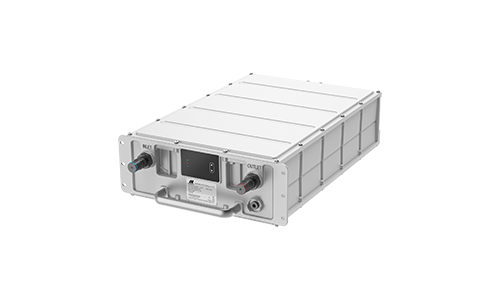
Liquid cooling offers remarkable advantages when managing high-power EV charging modules. By circulating coolant directly around heat-generating components, our EV charging modules maintain stable temperatures even under heavy loads. This approach reduces thermal resistance, which is particularly important for modules operating at high currents. We have found that integrating a liquid cooling system in EV charger modules minimizes hotspots and allows consistent energy transfer, enhancing overall system efficiency. At AcePower, we prioritize designing liquid cooling channels that fit seamlessly into our compact EV charger modules without compromising reliability.
Air Cooling: Simplicity and Maintenance Benefits
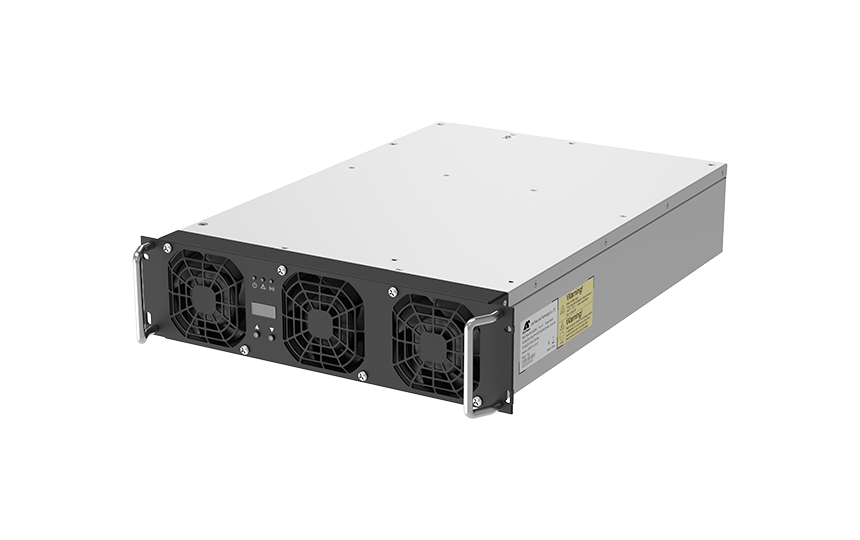
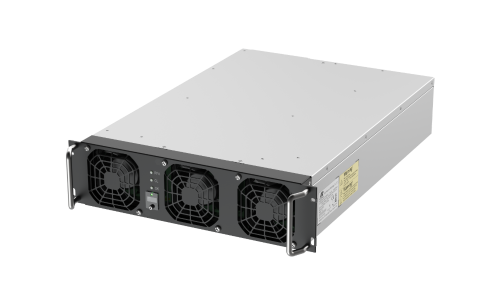
Air cooling remains a widely used method for EV charging modules due to its simplicity and cost-effectiveness. Our EV charger modules equipped with air cooling rely on fans or natural convection to remove heat from the surface of the module. While air cooling is less efficient than liquid cooling for high-power applications, it offers benefits such as lower maintenance requirements and simpler assembly. At AcePower, we carefully engineer airflow paths and select components to maximize thermal performance in our EV charging modules. By optimizing fan placement and module layout, we ensure adequate heat dissipation without significantly increasing system complexity.
Comparing Performance: Choosing the Right Thermal Approach
When evaluating thermal management for EV charger modules, the difference between liquid and air cooling becomes apparent. Liquid cooling is superior for sustained high-power operation, providing consistent temperature control that protects sensitive components. On the other hand, air cooling is suitable for moderate power levels, offering simplicity and lower manufacturing costs. At AcePower, we tailor thermal solutions to the specific power requirements of each EV charging module, ensuring that every design meets operational safety standards while maintaining efficiency. Proper thermal design extends the lifespan of modules and reduces the risk of thermal-related failures, which is crucial for high-demand EV charging environments.
At AcePower, we recognize that thermal management is a cornerstone of high-performance EV charger modules. Both liquid cooling and air cooling have distinct advantages depending on application needs, and our approach carefully balances efficiency, reliability, and cost. By engineering effective thermal solutions, we ensure that our EV charging modules deliver consistent performance, protect critical components, and support the growing demand for electric vehicles. Effective thermal design remains a key factor in enhancing the overall quality and durability of high-power EV charging solutions.
推荐新闻
Thermal Management Choices for High-Power EV Charging Modules
How AcePower Ensures Consistent Global Supply of EV Charger Modules
2025 Electric Vehicle Charging Solutions: Exploring the Growing Demand for On-Board Chargers
Integrating Charger Stages for Compact Vehicle Systems
The Role of Intelligent Energy Management in EV Charging

Contact AcePower Now
Please leave your information and we will be happy to assist you.