







Semiconductor Shift: Why OBC Makers Favor Silicon Carbide Over Traditional Tech


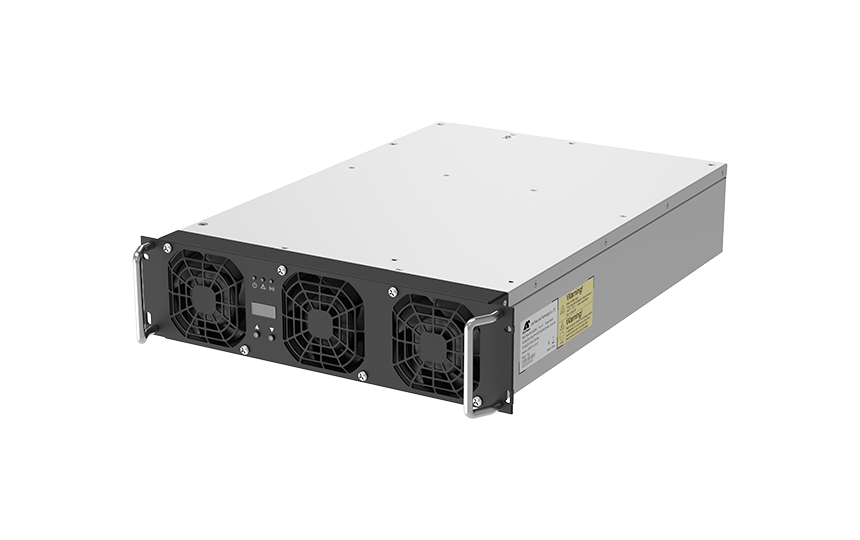
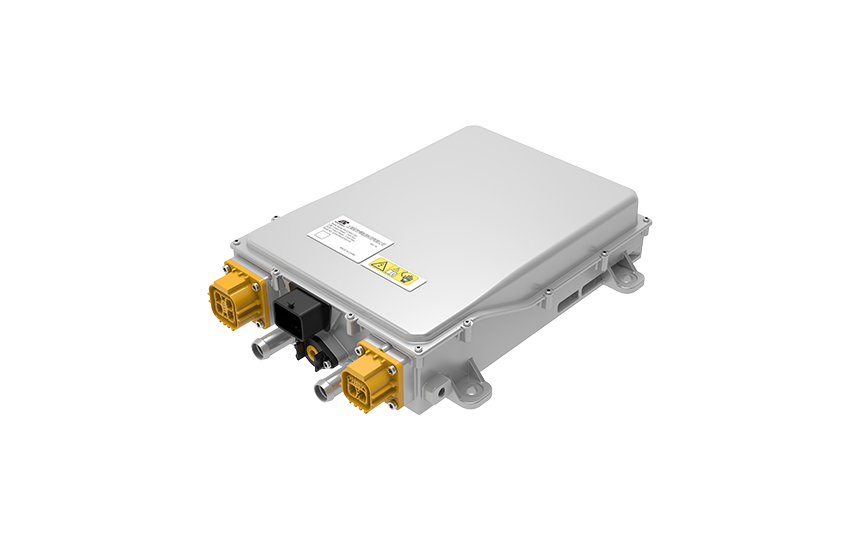
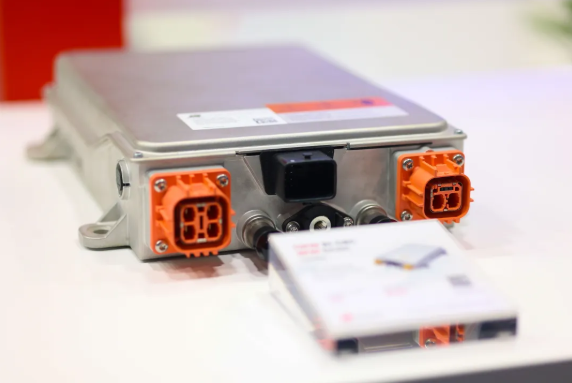
Within electric vehicle development, the on-board charger represents a vital link between grid power and battery capacity. At AcePower, we engage directly with on-board charger supplier networks and observe a clear material transition influencing next-generation designs. This change centers on semiconductor components, specifically the move from silicon-based IGBTs to Silicon Carbide (SiC) MOSFETs. Manufacturing leaders are adopting SiC not as a minor upgrade, but for its substantial impact on on-board charger efficiency, power density, and thermal performance.
The Established Method: IGBT Foundations
For years, insulated-gate bipolar transistor (IGBT) modules served as the core switching element in many power electronic systems, including on-board chargers units. This technology provided a robust solution, capable of managing high voltage and current levels required for charging tasks. Its widespread adoption created a mature, cost-effective supply chain. However, physical limitations exist. IGBTs operate at relatively lower frequencies, which can necessitate larger magnetic components. Their switching behavior also generates more heat, demanding considerable thermal management effort within the constrained space of an on-board charger.
The Advanced Alternative: SiC Performance Attributes
Silicon Carbide technology presents distinct advantages. A SiC MOSFET can function at significantly higher frequencies and temperatures compared to its silicon counterpart. This capability allows circuit designers to shrink passive elements like inductors and capacitors, directly increasing power density. For an on-board charger supplier, this means creating more compact, lighter units without sacrificing output. Furthermore, SiC devices exhibit lower switching losses. This characteristic translates directly to improved energy conversion efficiency across a broad load range, a critical metric for extending vehicle range and reducing electricity consumption during charging cycles.
Adoption Drivers and Manufacturing Considerations
The pivot toward SiC is driven by systemic goals. Automakers demand faster charging, higher efficiency, and reduced weight—all areas where SiC excels. While the semiconductor cost remains higher, the total system cost can decrease due to simplified cooling requirements and smaller ancillary parts. As a on-board charger supplier like AcePower evaluates components, this holistic view is essential. Production scalability for SiC is expanding, making the technology increasingly accessible. Manufacturers integrating SiC are positioning their on-board charger products for future vehicle platforms where performance and thermal management are paramount.
This semiconductor evolution is reshaping on-board charger architecture. While IGBTs continue in certain applications, the trajectory for advanced designs favors Silicon Carbide. Its inherent properties address key challenges in size, loss reduction, and heat dissipation. For any on-board charger supplier, understanding this shift is crucial. At AcePower, we monitor these material advancements because component decisions directly influence the capability and efficiency of the final charging system. The industry's direction is clear, steering toward solutions that enable smaller, cooler, and more efficient power conversion.
推荐新闻
Increasing Station Output with Compact 40kW Units
How an EV Charger Power Module Optimizes Energy Conversion
Advancing Electric Vehicle Systems with High-Voltage Charging Components
The Impact of 7kW Charger Modules on the Global Shift to Electric Mobility
Keeping Cool Under Power: Thermal Control in 40kW Charger Modules

Contact AcePower Now
Please leave your information and we will be happy to assist you.