







Engineering the Compromise in 6.6 Kilowatt Vehicle Chargers


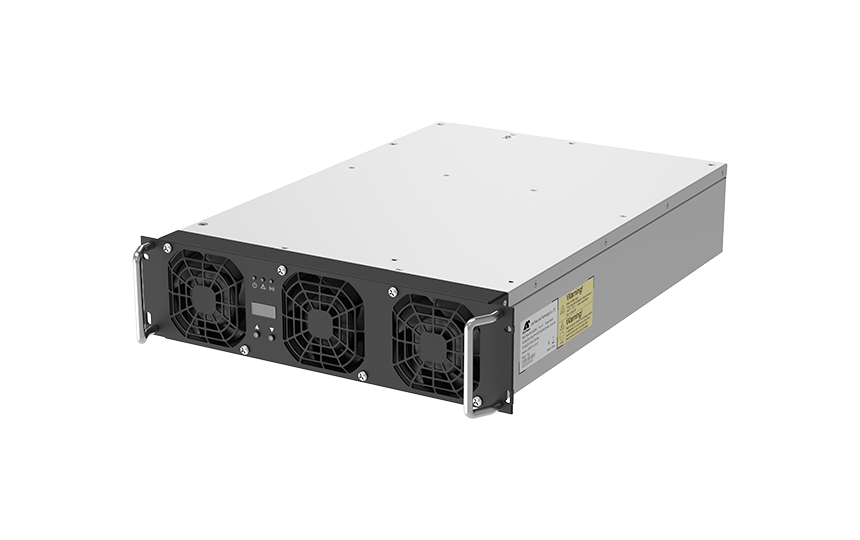
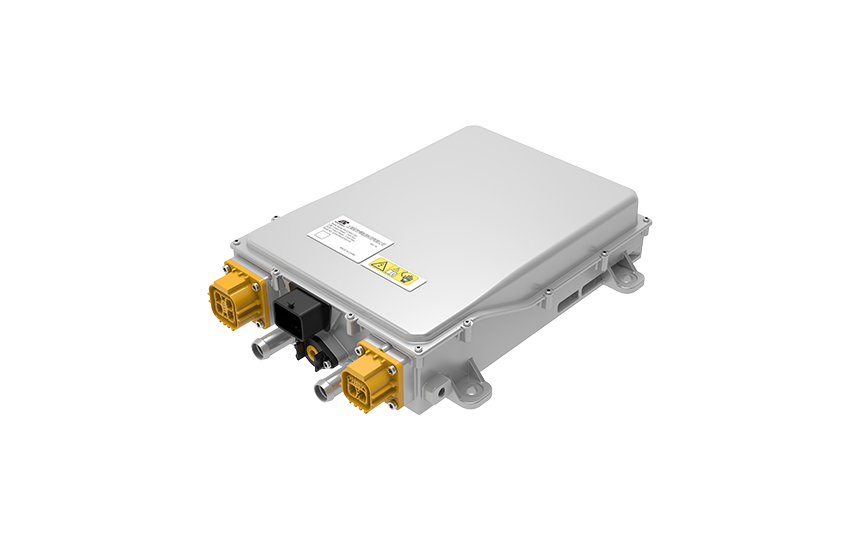
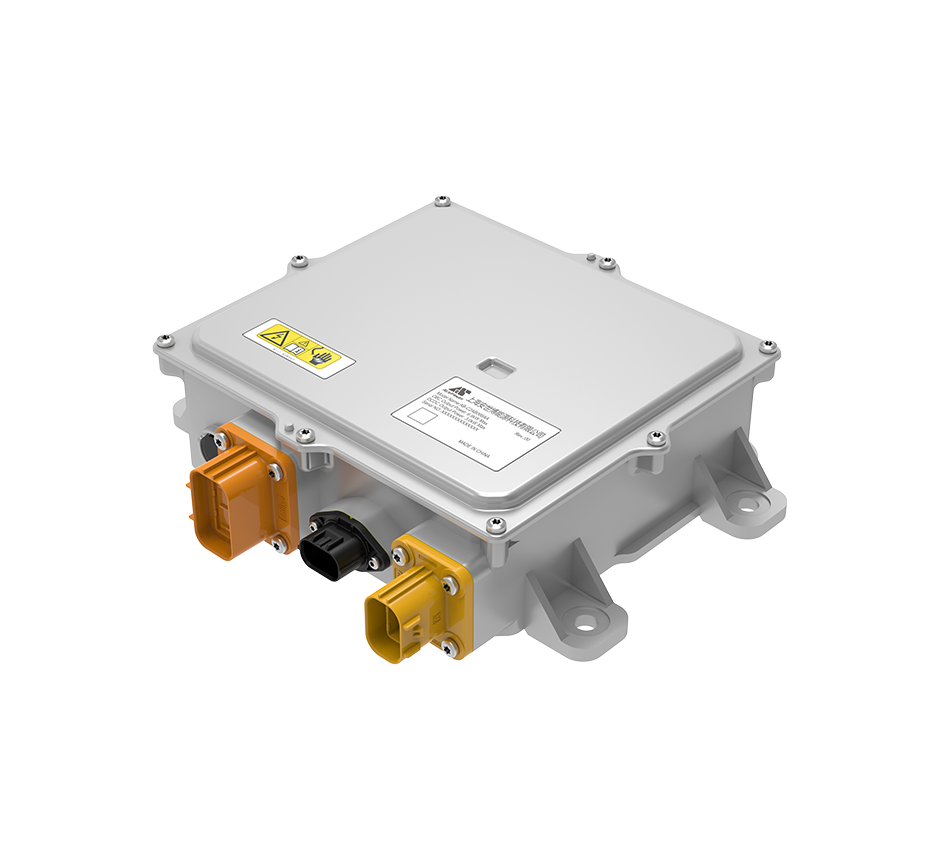
Engineering a product for mass adoption involves careful compromise between competing priorities. At AcePower, we see the design of a 6.6 kW on-board charger as a classic exercise in balancing three critical elements: financial accessibility, physical dimensions, and operational efficiency. Achieving harmony among these factors defines a successful component for the automotive sector.
Managing Financial Accessibility with Proven Designs
A primary consideration is final unit expense. To maintain favorable cost, our teams often utilize well-established silicon-based transistor technology rather than newer, pricier wide-bandgap alternatives. These traditional components have matured, offering reliable performance at a lower price point. Designing a 6.6 kW on-board charger also involves selecting passive elements—inductors, capacitors—from high-volume supply chains. This strategy keeps the bill of materials affordable, ensuring the finished product aligns with vehicle manufacturers' financial frameworks without sacrificing essential reliability.
Controlling Physical Dimensions Through Layout Innovation
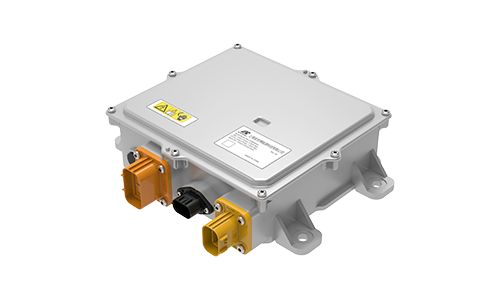
Space within an electric vehicle is extremely limited. To ensure a compact 6.6 kW on-board charger profile, we focus on three-dimensional component arrangement and thermal planning. Engineers position parts to minimize empty air volume, creating a dense but logical assembly. Heat dissipation paths are carefully mapped, allowing for a smaller combined heatsink surface. This meticulous spatial design means the unit fits into tight vehicle architectures without demanding major packaging concessions from carmakers, a crucial aspect for integration.
Achieving Operational Efficiency with Intelligent Control
Even when employing low-cost components and a limited budget, performance continues to be of the utmost importance. In order to ensure that the energy conversion rate is at its highest possible level, we utilize complex software algorithms. The frequencies and timing of the switching mechanism are adjusted in a dynamic manner by this digital management system, which extracts the greatest possible efficiency from the selected hardware configuration. This sophisticated regulation reduces the amount of energy that is lost as heat during the process of converting AC to DC. As a result, the range that is gained per hour of grid connection is directly increased, and the amount of electricity that is wasted is reduced. This is the case with a 6.6 kW on-board charger.
The process of negotiating is a complicated one, and it is necessary to go through it in order to create a functional 6.6 kilowatt on-board charger. Our mission at AcePower is to discover the ideal intersection of manufacturing cost, unit size, and electrical efficiency. We want to achieve a point where the cost of manufacturing permits for scale, the size of the unit allows for easy vehicle installation, and electrical efficiency provides real value to the consumer. As a result of the provision of a practical and effective charging solution to automakers, this balanced approach assists in the more widespread adoption of electric mobility.
推荐新闻
A Comparison of On-Board Charger Power Ratings
Understanding the Inner Workings of an EV Charger Module
Architecture of an 11kW On-Board Charger: Core Stages Explained

Invitation | AcePower Invites You to the Seoul International New Energy Vehicle and Charging Equipment Exhibition

Key Considerations When Selecting a Manufacturer for Your 11kW On-Board Charger

Contact AcePower Now
Please leave your information and we will be happy to assist you.