






A Comparison of On-Board Charger Power Ratings


When selecting an electric vehicle, the integrated charger's capability is a crucial consideration. Among common options, the 6.6 kW on-board charger often emerges as a balanced center point. At AcePower, we examine the practical differences between 3.3kW, 6.6kW, and 11kW units. This evaluation focuses on real-world charging velocity, electrical infrastructure needs, and overall value. Understanding these distinctions helps clarify which system aligns with various user patterns and vehicle applications.
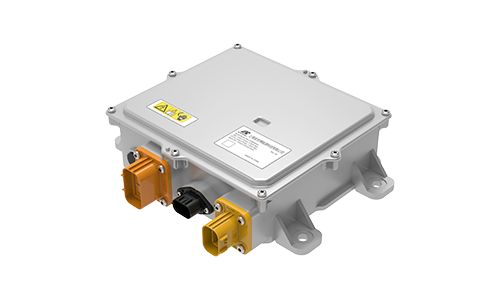
The 3.3kW Charger: Foundational Capability
The 3.3kW unit represents a basic solution. It utilizes a typical single-phase home circuit, making integration straightforward. Replenishing energy, however, occurs at a measured pace. This OBC might add roughly twelve miles of range per hour. For drivers with modest daily travel distances or consistent overnight parking availability, this can prove sufficient. It serves as an economical choice, often fitted to entry-level models where reducing initial cost is a priority. Its operation places minimal demand on a dwelling's electrical panel.
The 6.6kW OBC: A Practical Middle Ground
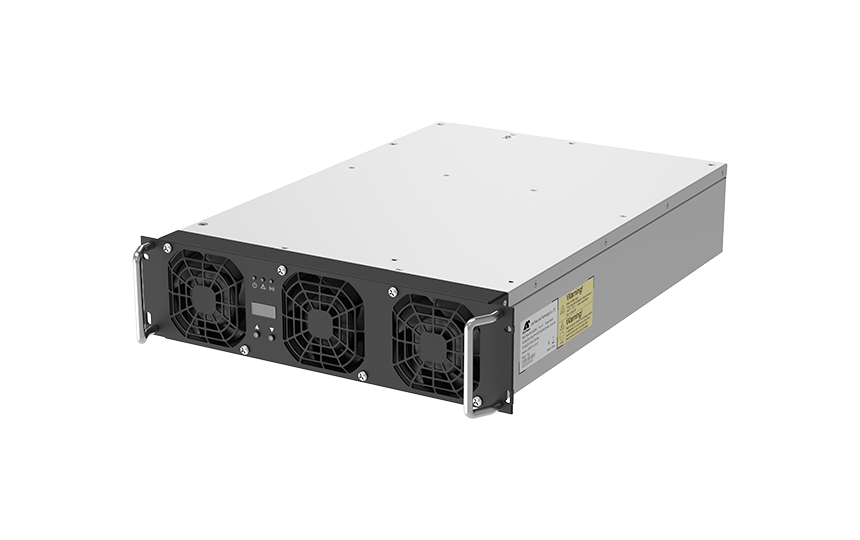
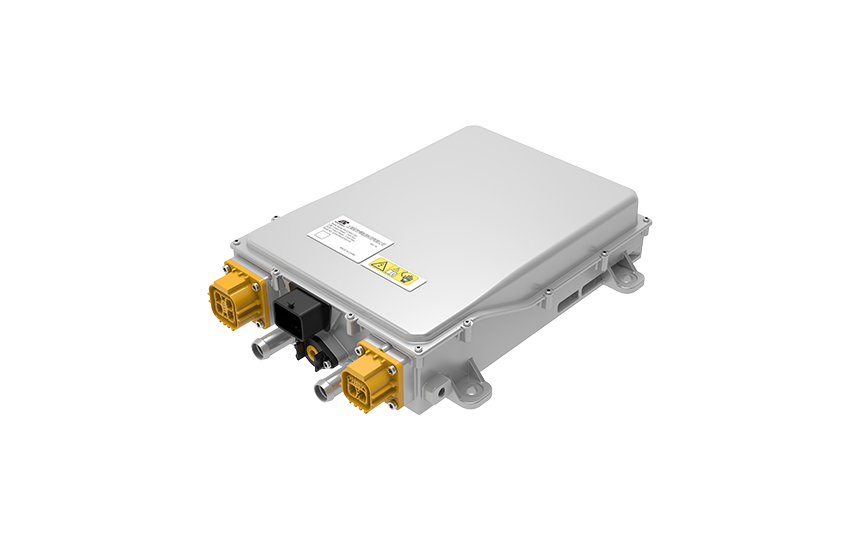
Doubling the power, the 6.6 kW on-board charger significantly improves convenience without major installation complexity. This 6.6kw obc still operates on a standard single-phase connection, yet it halves the required charging duration compared to a 3.3kW system. It can deliver approximately twenty-five miles of range each hour, accommodating longer commutes more comfortably. For numerous EV owners, this 6.6 kW on-board charger hits a sweet spot, offering a noticeable upgrade in speed while maintaining broad compatibility with existing residential wiring. The 6.6kw obc is a frequent selection for mainstream automobiles, providing a pragmatic blend of performance and accessibility.
The 11kW Charger: High-Power Performance
The 11kW option delivers the fastest AC charging rates. It typically requires a three-phase power supply, which is prevalent in European homes and some commercial settings but less common in other regions. This unit can restore about thirty-eight miles per hour, enabling near-complete battery replenishment during a workday or short stop. This capacity suits drivers with substantial daily mileage or those lacking extended stationary periods. Its installation may involve greater electrical service investment, making it a more specialized solution rather than a universal fit.
Choosing between these power levels involves weighing driving habits against available electrical resources. The 3.3kW charger meets essential needs, while the 11kW unit offers premium speed for specific circumstances. For a large segment of electric vehicle users, the 6.6 kW on-board charger presents a compelling compromise. At AcePower, our development efforts include advancing technology for this efficient 6.6kw obc category. We concentrate on creating robust and reliable modules that deliver this optimal balance of charging pace and practical utility for daily transportation.
推荐新闻

Enhancing Energy Flow with the 6.6kW On-Board Charger: Bidirectional Charging for Modern Applications
Comparing 6.6kW and 11kW On-Board Chargers: Choosing the Right Fit for Your EV
2025 Electric Vehicle Charging Solutions: Exploring the Growing Demand for On-Board Chargers
Maximizing Convenience with the AcePower 11kW On-Board Charger for Home and Workplace
Exploring the Power Topologies of the AcePower 40kW EV Charger Module: PFC + LLC + DC/DC

Contact AcePower Now
Please leave your information and we will be happy to assist you.