







Understanding the Factors Behind On-Board Charger Costs


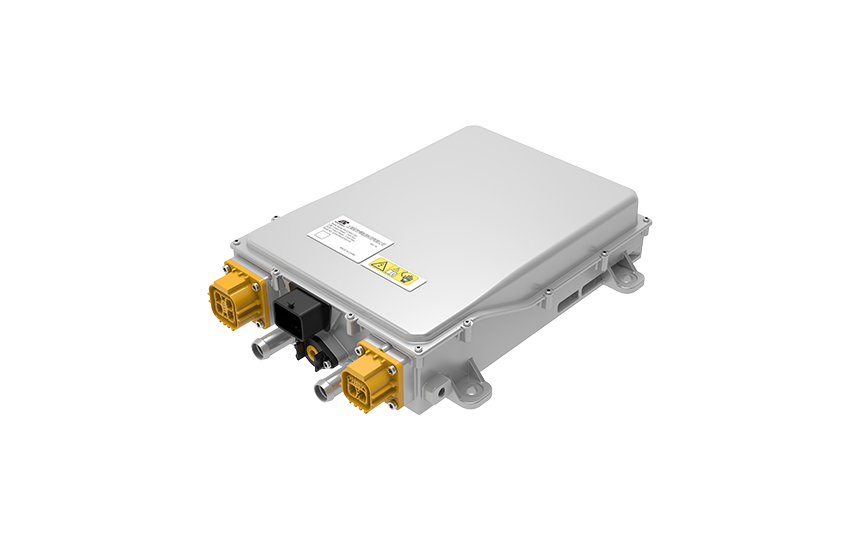
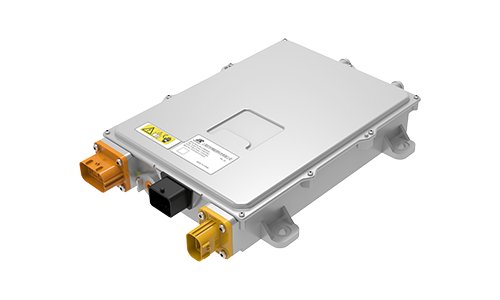
Charging solutions are becoming increasingly important as electric vehicles (EVs) expand across global markets. The pricing of on-board chargers often varies due to several technical and environmental factors. At AcePower, we design our products to meet diverse requirements without compromising performance. For example, our 6.6kW BI-OBC 3kW DCDC Combo integrates multiple functions in a compact design, delivering efficiency and durability across a wide range of conditions. As an on board charger supplier, we focus on providing transparent guidance for understanding what truly influences charger costs. We believe that an informed customer can better appreciate the value engineering behind a reliable product, which goes beyond the initial price point to include long-term performance and total cost of ownership.
Technical Specifications That Influence Price
The cost of on-board chargers largely depends on their power output, efficiency, and integration features. Higher power units, such as our 6.6kW on-board charger, require advanced components and thermal management to maintain performance at 400Vdc full load with up to 96% efficiency. The inclusion of a multi-in-one design, such as combining BI-OBC and DCDC functionalities, can increase production complexity, which reflects in pricing. At AcePower, we ensure that these advanced features do not compromise affordability, allowing customers to access high-quality, energy-saving charging solutions. This approach ensures that while the initial investment may reflect the advanced technology, it ultimately leads to greater value through enhanced performance, reduced energy waste, and lower maintenance costs over the charger's lifespan.
Environmental Durability and Safety Standards
Environmental protection significantly affects on-board charger costs. Chargers with IP67 protection, like our model, can withstand dust, water, and extreme temperatures ranging from -40℃ to 85℃. Achieving such resilience requires specialized materials and rigorous testing, which impacts manufacturing expenses. As a reliable on board charger supplier, we emphasize durability because EV users depend on consistent performance in diverse climates. Balancing protection and cost is key to designing units that offer longevity without excessive pricing. This investment in robustness directly translates to fewer field failures and higher customer satisfaction, reducing the total cost of ownership by minimizing the need for repairs or replacements under demanding conditions.
Efficiency and Grid Compatibility
Efficiency and input range also play a major role in pricing. Our chargers support a wide voltage input range of 85–265Vac and maintain a power factor above 0.99, reducing harmonic distortion and maximizing grid utilization. These specifications demand precise engineering and high-quality components, influencing the overall cost of on-board chargers. At AcePower, our team focuses on combining efficiency with affordability, ensuring that customers can enjoy fast and stable charging without paying extra for unnecessary features. This high efficiency not only lowers electricity costs for the end-user but also contributes to grid stability, making it a critical feature for sustainable EV integration that justifies the investment.
Understanding the Value Behind On-Board Charger Pricing
Understanding on-board charger pricing requires examining technical, environmental, and efficiency-related factors. At AcePower, we design solutions like the 6.6kW BI-OBC 3kW DCDC Combo that deliver performance, durability, and energy efficiency, all while keeping costs transparent for our clients. As a dedicated on board charger supplier, we aim to provide insight into the elements that affect cost, helping customers make informed decisions when choosing EV charging equipment. Our commitment is to empower the EV industry with components that offer uncompromising quality and reliability, ensuring that our partners can build vehicles that consumers trust and rely on every day.
推荐新闻
What is HVDC and How Does It Impact Megawatt Power Systems?
Applications of 30kW Charger Modules in Public and Commercial EV Charging Stations
The Advantages and Functionality of a 7kW EV DC Charger Module for Efficient Electric Vehicle Charging

Auspicious Snake, Endless Blessings
How Much Does an EV Charging Module Cost? Factors Affecting Price

Contact AcePower Now
Please leave your information and we will be happy to assist you.