





Evaluating Thermal Management Paths for 30kW EV Charger Modules


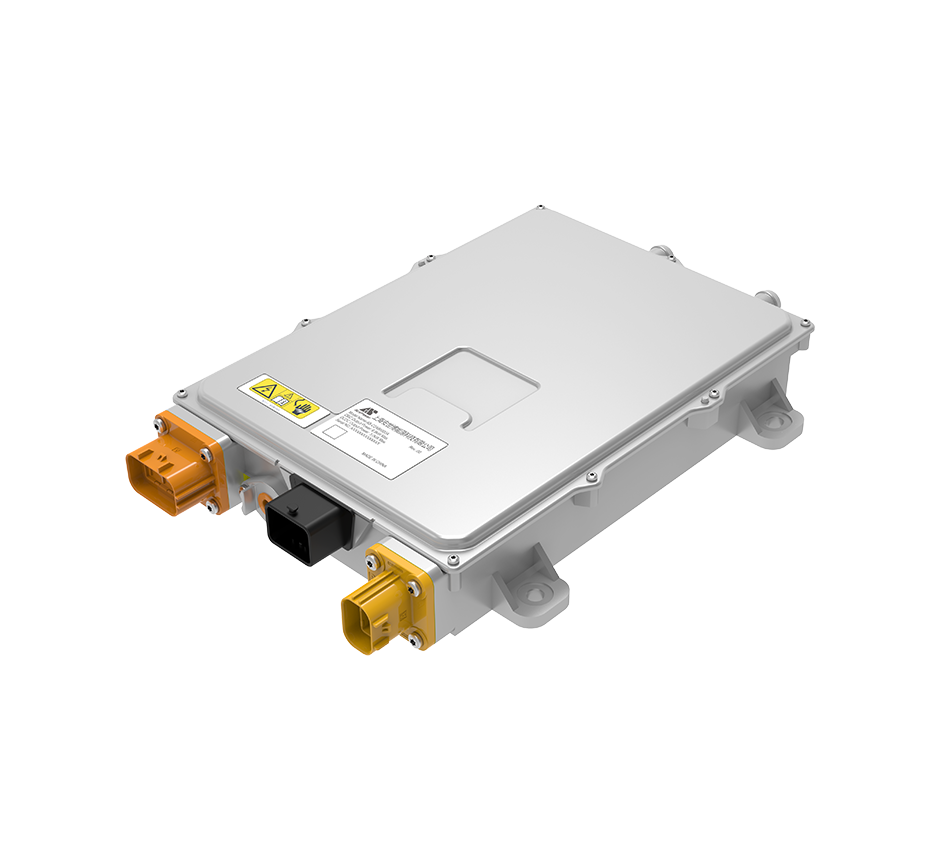
Assessing thermal design represents a fundamental step in developing robust electric vehicle charging infrastructure. At AcePower, our work with a 30kw EV charger module involves critical decisions around heat dissipation. Two principal methods exist: air-cooling and liquid-cooling. Each approach carries distinct implications for a 30kw EV charger module concerning installation, upkeep, and operational longevity. This discussion outlines the practical characteristics of both systems.
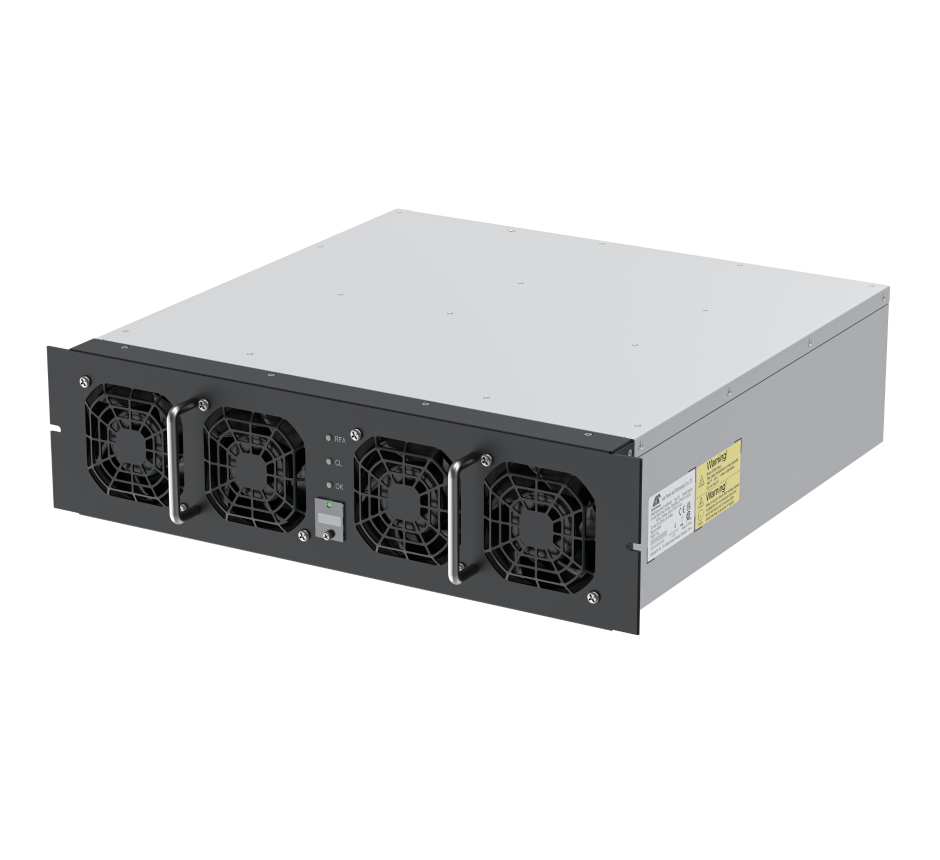
Heat Dissipation Through Airflow Design
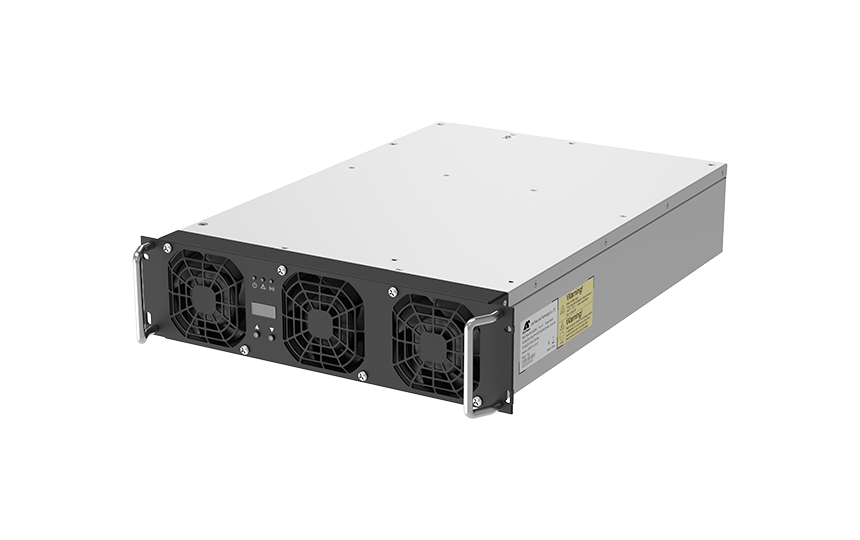
An air-cooled 30kW EV charger module employs integrated fans and heatsinks to manage temperature. Ambient air moves across internal electronics, carrying thermal energy away. This architecture offers straightforward construction. It typically simplifies initial assembly and can reduce unit complexity. The absence of fluid channels or pumps generally means a lower component count. For situations where minimizing upfront expense is crucial, or where placement ensures consistent, clean airflow, this method provides a functional solution. Maintenance revolves around filter cleaning and fan checks.
Liquid Systems for Enhanced Thermal Transfer
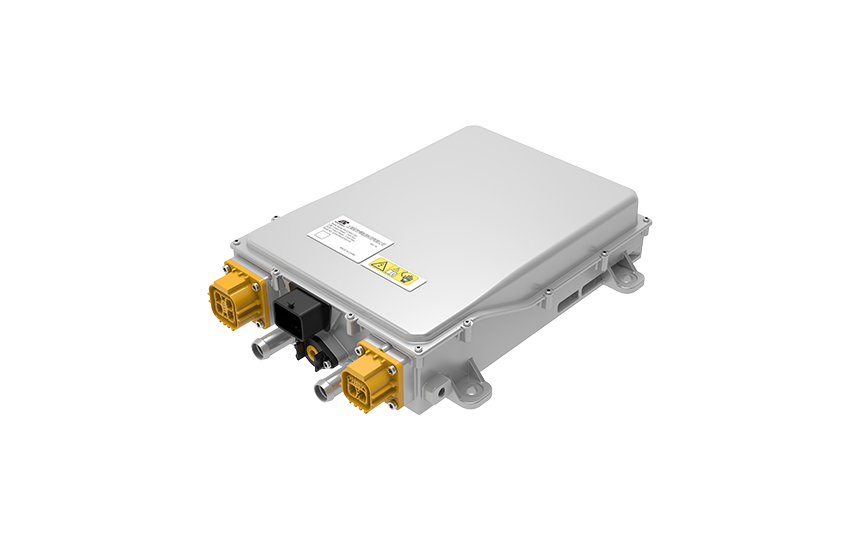
Liquid-cooled modules circulate a dedicated coolant through a cold plate attached to power components. This fluid absorbs heat efficiently, transferring it to a separate radiator often located remotely. This technique allows for a denser power design within the 30kw EV charger module itself, as cooling becomes more potent and targeted. The enclosure achieves higher ingress protection ratings since it can be fully sealed against dust and moisture. Operation happens more quietly, as large fans become unnecessary. This route suits demanding settings where ambient conditions are harsh, or where noise restrictions apply.
Application Context and Selection Guidelines
Choosing between these paths depends on deployment context. Air-cooled units often suit well-ventilated, sheltered environments like indoor parking garages. Their simplicity remains an advantage. Conversely, liquid-cooled versions excel in outdoor cabinets exposed to weather, particulate, or variable temperatures. They also support stacked configurations where space is premium, given their superior heat removal capacity. For a 30kw EV charger module destined for a compact, standalone street-side cabinet, liquid cooling might be the appropriate engineering answer to ensure stable performance under peak load.
The selection between air and liquid cooling shapes a 30kw EV charger module's physical form, environmental tolerance, and service needs. One path prioritizes simplicity and direct cost, while the other invests in performance density and resilience. At AcePower, we consider the installation setting and duty cycle essential factors in this determination. Providing both options allows for solutions matched to specific project requirements, ensuring reliable charger operation through effective thermal management.
推荐新闻

How the 6.6 kW On-Board Charger Powers the Future of Electric Vehicles
Maximizing Energy Efficiency and Thermal Performance in 7kW EV Chargers
Finding the Right China EV Charger Module Supplier: Key Factors for Global Buyers
Choosing the Right On-Board Charger Supplier: Key Factors to Consider
Why On-Board Chargers Are Essential for Electric Vehicles

Contact AcePower Now
Please leave your information and we will be happy to assist you.